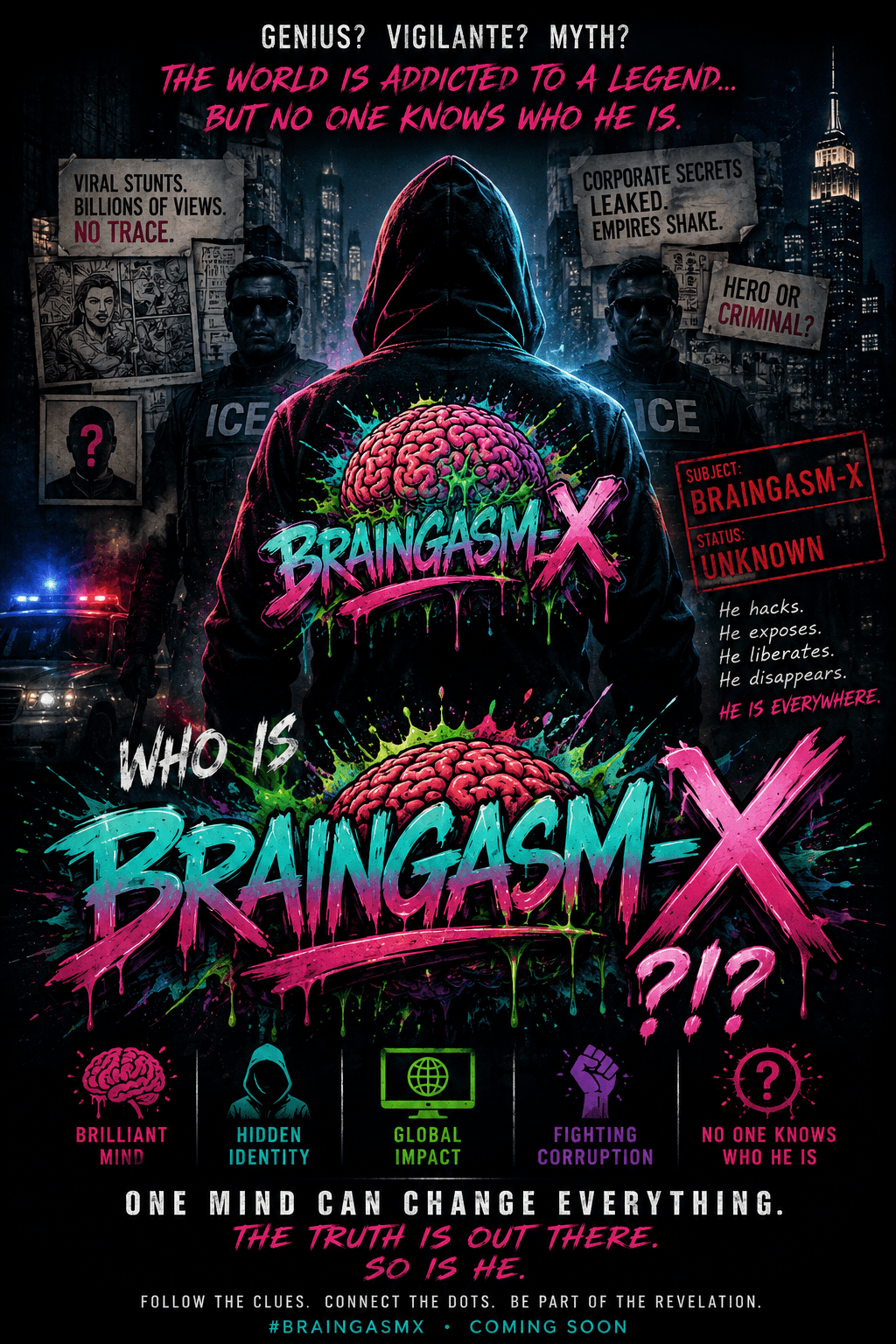
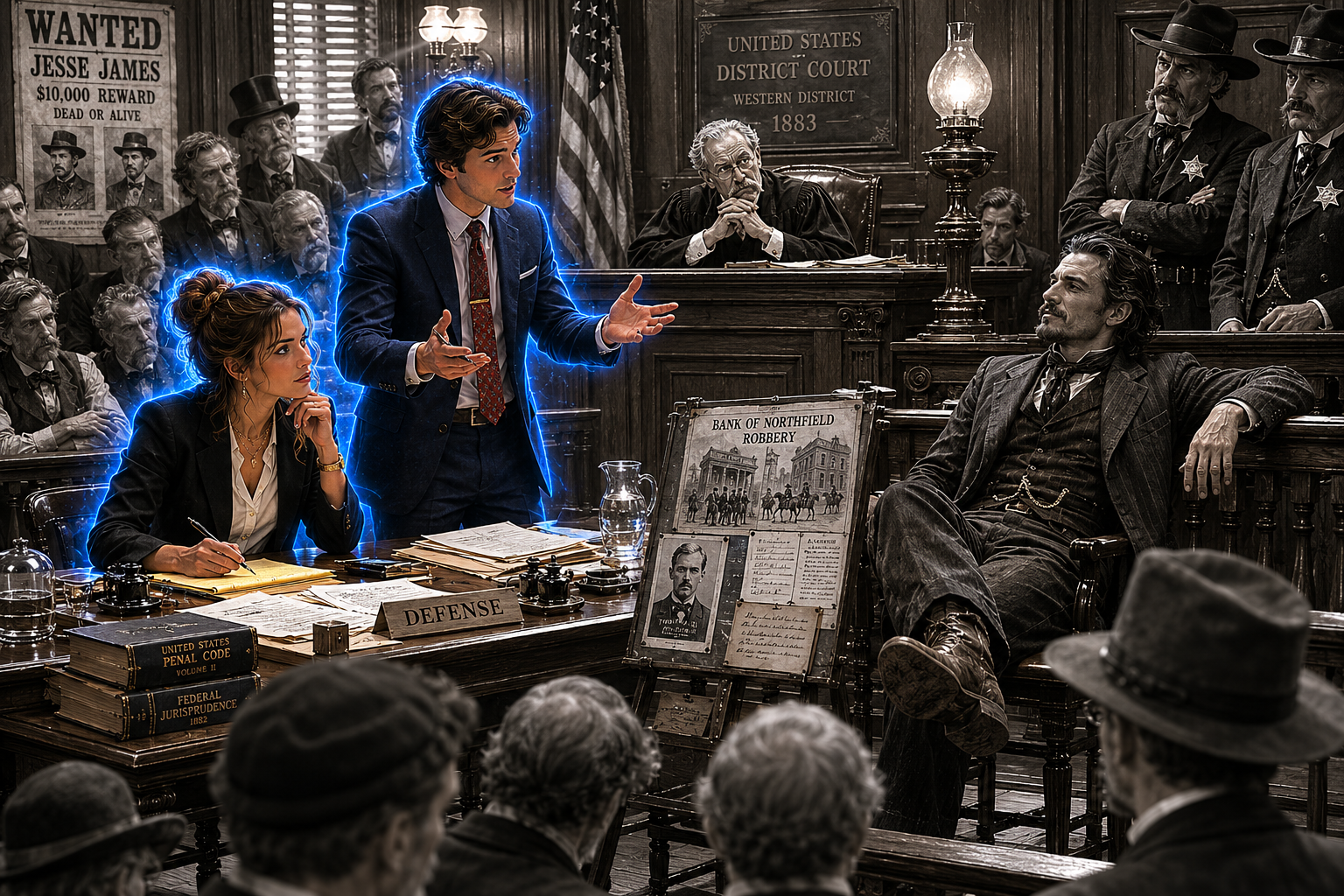
He Took their Characters.Is he a Villain…or a Vigilante?
WHO IS BRAINGASM-X?!?!? throws students into a Supreme Court–level collision between parody, copyright, fair use, comics, politics, and pop culture. Students must argue whether a provocative artist's superhero-inspired works are protected expression or actionable infringement — while navigating litigation strategy, media optics, and the brutal economics of modern IP warfare.
Copyright
VersusVersusHead-to-head: each student is matched against one opponent in a focused, time-pressured exchange.TeamTeamCollaborative work in groups — students share roles, deliverables, and the win.SoloSoloIndependent work — each student produces their own deliverable on their own.DraftingDraftingStudents produce written deliverables — contracts, briefs, motions, demand letters, memos.Oral ArgumentOral ArgumentLive spoken-advocacy practice — argue before a judge, panel, or opposing counsel.Real WorldReal WorldDrawn from a real legal matter — names changed, facts intact. Plays like augmented reality where Googling and industry knowledge can give initiated students an advantage.1 Week●1 WeekOne-week project with a deliverable due at the end of the week.
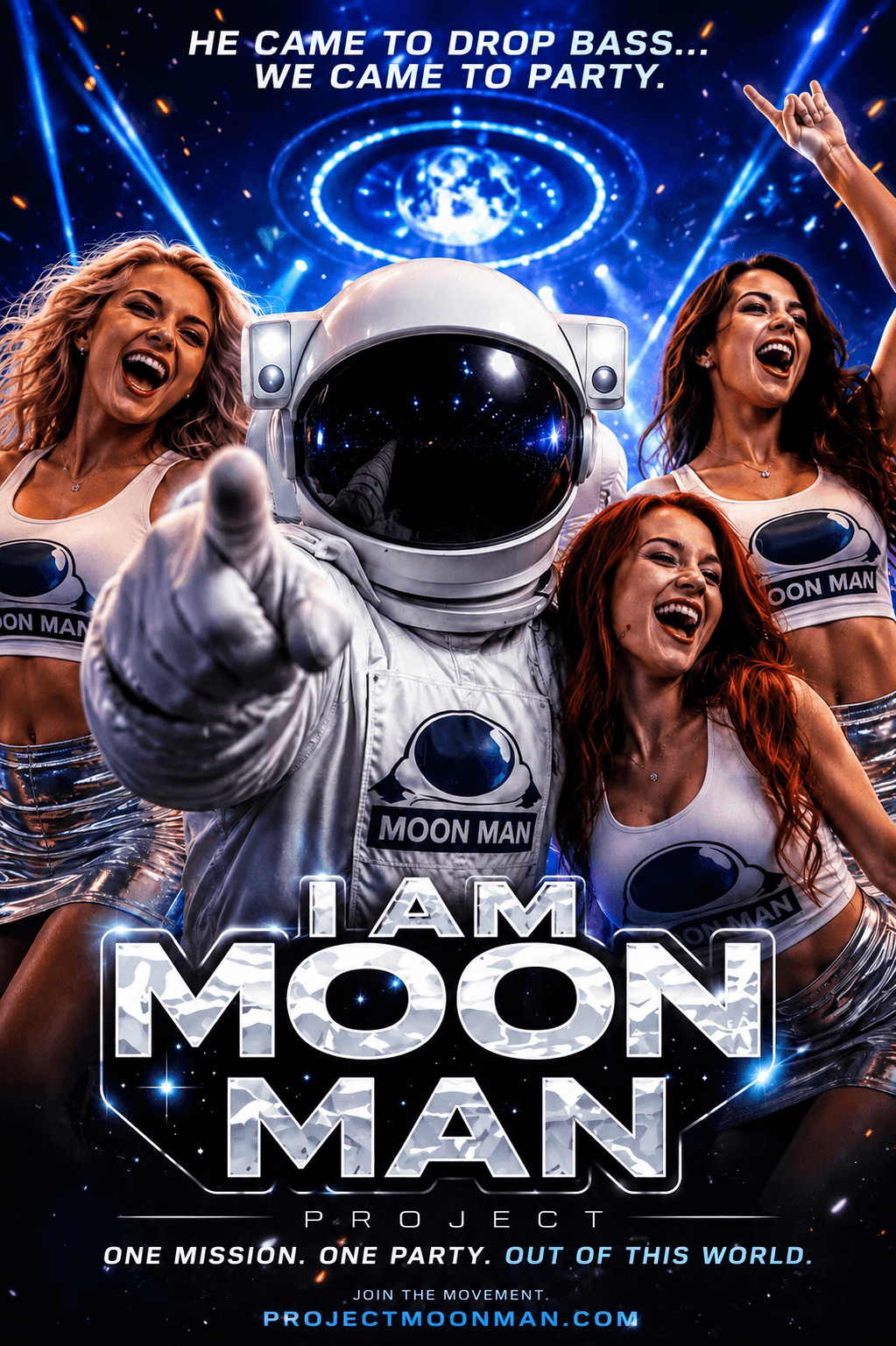
I AM MOON MAN® turns entertainment law into a full-scale brand war involving copyrights, trademarks, contracts, talent agency law, nightlife culture, social media empires, merchandising, comic books, anonymous performers, and millions of dollars in disputed intellectual property. The mysterious DJ MOON MAN is selling out shows and festivals world-wide. No one has ever seen his, or her, true face...but if someone did, would it even be the correct face? Inspired by real world entertainment industry dynamics and played in the style of a "Live" client file, I AM MOON MAN forces students to think like real-world entertainment lawyers - balancing legal doctrine, business leverage, human emotion, branding strategy, and litigation risk. Players can't merely identify issues! Players must use their legal and life skills to determine WHAT IS MOON MAN? With so much input from so many individual, WHO IS MOON MAN? Two very different people with different skill sets both claim, "I AM MOON MAN." Is either correct? Are both? Who truly owns the MOON MAN identity and business? Can MOON MAN survive without its true creator? PROJECT: I AM MOON MAN forces players into a game of...what happens when a fictional character becomes more valuable than the person behind, or inside, a story.
Business AssociationsEntertainment LawIntellectual PropertyNegotiation
TeamTeamCollaborative work in groups — students share roles, deliverables, and the win.SoloSoloIndependent work — each student produces their own deliverable on their own.DraftingDraftingStudents produce written deliverables — contracts, briefs, motions, demand letters, memos.CreativityCreativityOpen-ended problem-solving — multiple valid approaches, students must choose and defend their strategy.Real WorldReal WorldDrawn from a real legal matter — names changed, facts intact. Plays like augmented reality where Googling and industry knowledge can give initiated students an advantage.World-RankWorld-RankProduces a deliverable that can be objectively scored against every other student submission ever made for this project. Feeds the global leaderboard.1 Week●1 WeekOne-week project with a deliverable due at the end of the week.
Sneaker Culture Collides With Billion-Dollar Branding.
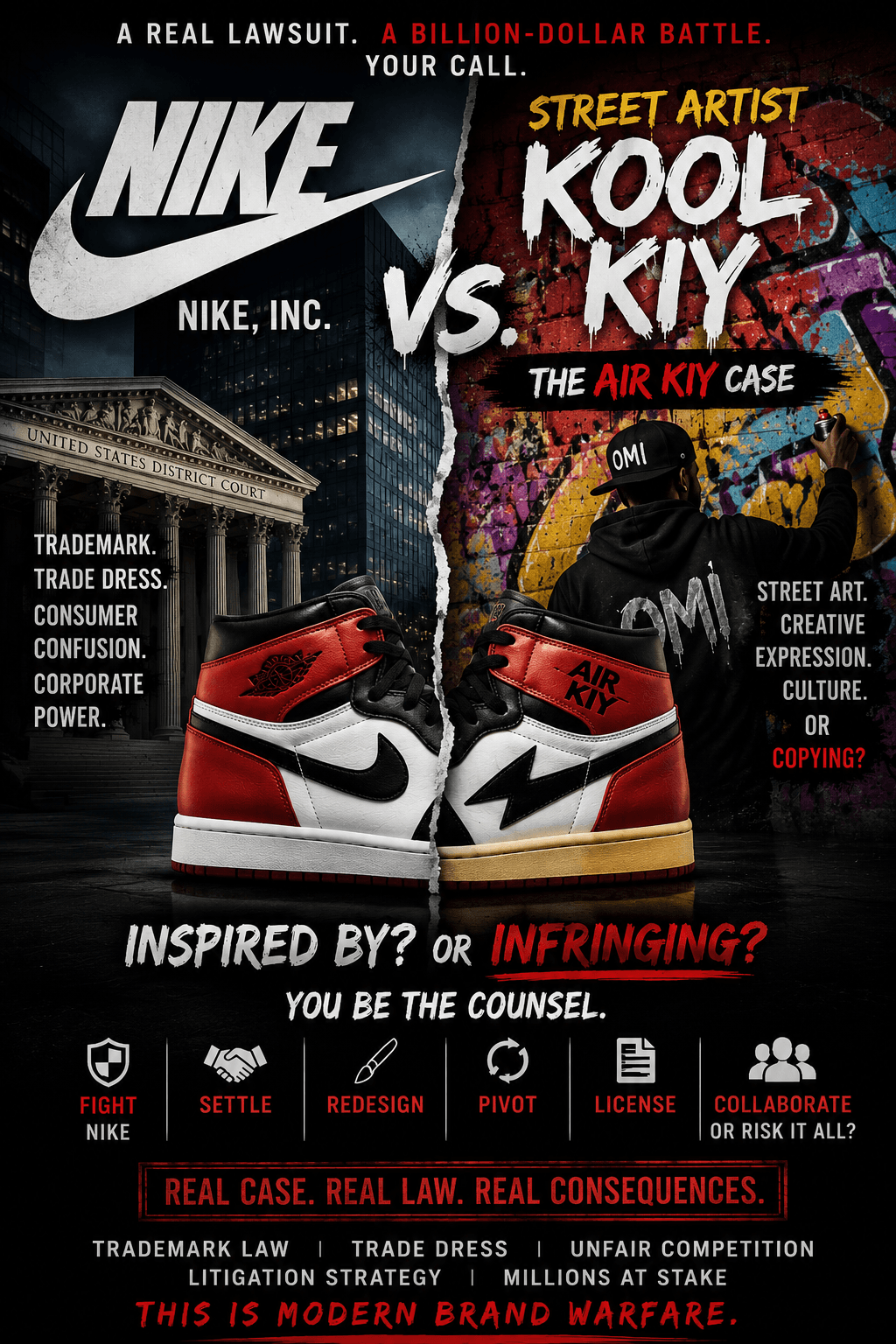
Drop your students into the middle of a complete mess! A billion-dollar war between sneaker culture, street art, trademark law, trade dress, and corporate power. Based on a REAL federal lawsuit, students become outside counsel to street artist Kool Kiy, as they are forced to navigate infringement claims, consumer confusion, parody, trade dress, litigation strategy, Kiy's (awful) former law firm, and the dangerous gap between "inspired by" and unlawful copying. This is not abstract IP theory. This is modern brand warfare. Students must advise the client whether to fight Nike, settle, redesign, pivot, license, collaborate — or risk financial annihilation. Along the way, they confront one of the most uncomfortable realities in entertainment and branding law: sometimes the line between "artist" and "infringer" is worth millions of dollars.
TrademarkCopyrightRight of PublicityEntertainment LawNegotiation
TeamTeamCollaborative work in groups — students share roles, deliverables, and the win.SoloSoloIndependent work — each student produces their own deliverable on their own.DraftingDraftingStudents produce written deliverables — contracts, briefs, motions, demand letters, memos.CreativityCreativityOpen-ended problem-solving — multiple valid approaches, students must choose and defend their strategy.Real WorldReal WorldDrawn from a real legal matter — names changed, facts intact. Plays like augmented reality where Googling and industry knowledge can give initiated students an advantage.World-RankWorld-RankProduces a deliverable that can be objectively scored against every other student submission ever made for this project. Feeds the global leaderboard.1 Week●1 WeekOne-week project with a deliverable due at the end of the week.
Based upon the real-life entertainment industry work of author John Taddeo, Esq. during his time at Marvel and Fleer, this negotiation project drops students into the middle of a high-stakes battle over the creation of the legendary Marvel Masterpieces trading card series. Students become outside counsel negotiating between Fleer/Marvel and the world-famous Hildebrandt Brothers as millions of dollars in artwork, licensing rights, publicity, creative control, reproduction rights, deadlines, and collectible value hang in the balance. This is not abstract contract theory. It is entertainment law, intellectual property, and business strategy colliding inside one of the most influential comic collectible projects of the 1990s.
CopyrightNegotiation
VersusVersusHead-to-head: each student is matched against one opponent in a focused, time-pressured exchange.TeamTeamCollaborative work in groups — students share roles, deliverables, and the win.DraftingDraftingStudents produce written deliverables — contracts, briefs, motions, demand letters, memos.Oral ArgumentOral ArgumentLive spoken-advocacy practice — argue before a judge, panel, or opposing counsel.CreativityCreativityOpen-ended problem-solving — multiple valid approaches, students must choose and defend their strategy.Real WorldReal WorldDrawn from a real legal matter — names changed, facts intact. Plays like augmented reality where Googling and industry knowledge can give initiated students an advantage.3 Hours●3 HoursThree-hour work session — typical seminar or workshop length, often a single afternoon.
THAT'S EAT-ERTAINMENT transforms a glamorous Boca Raton Rat Pack restaurant into a legal minefield involving Frank Sinatra, Dean Martin, Sammy Davis Jr., publicity rights, trademark law, copyright licensing, music usage, memorabilia, branding, and the economics of nostalgia. Students are hired as entertainment counsel to a booming restaurant chain accused of cashing in on dead celebrity identities without permission. The deeper they dig, the uglier—and more fascinating—the business realities become. This project forces students to confront one of entertainment law's hardest truths: sometimes the entire business model is built on borrowed fame. Behind the velvet ropes, candlelight, and martinis sits a brutal legal question: where does homage end and infringement begin?
CopyrightTrademarkBusiness AssociationsEntertainment Law
TeamTeamCollaborative work in groups — students share roles, deliverables, and the win.SoloSoloIndependent work — each student produces their own deliverable on their own.DraftingDraftingStudents produce written deliverables — contracts, briefs, motions, demand letters, memos.CreativityCreativityOpen-ended problem-solving — multiple valid approaches, students must choose and defend their strategy.Real WorldReal WorldDrawn from a real legal matter — names changed, facts intact. Plays like augmented reality where Googling and industry knowledge can give initiated students an advantage.World-RankWorld-RankProduces a deliverable that can be objectively scored against every other student submission ever made for this project. Feeds the global leaderboard.1 Week●1 WeekOne-week project with a deliverable due at the end of the week.
Drop your students into a no-escape, high-stakes negotiation where only 10,000 oranges exist—and both sides need them all. In Fruit Fight: The Battle of Valencia, students weaponize leverage, deception, empathy, and deal structure under a ruthless "Fill or Kill" clock. One side is saving children from cancer; the other is launching a viral, multi-million-dollar product. There is no mediator. No delay. Just outcome. In 30 minutes, you will surface every negotiation instinct—ethics, strategy, pressure, and creativity. This isn't theory. This is how deals actually get done.
Negotiation
VersusVersusHead-to-head: each student is matched against one opponent in a focused, time-pressured exchange.CreativityCreativityOpen-ended problem-solving — multiple valid approaches, students must choose and defend their strategy.1 Hour●1 HourSingle 60-minute class session — quick exercise, no prep or homework required.
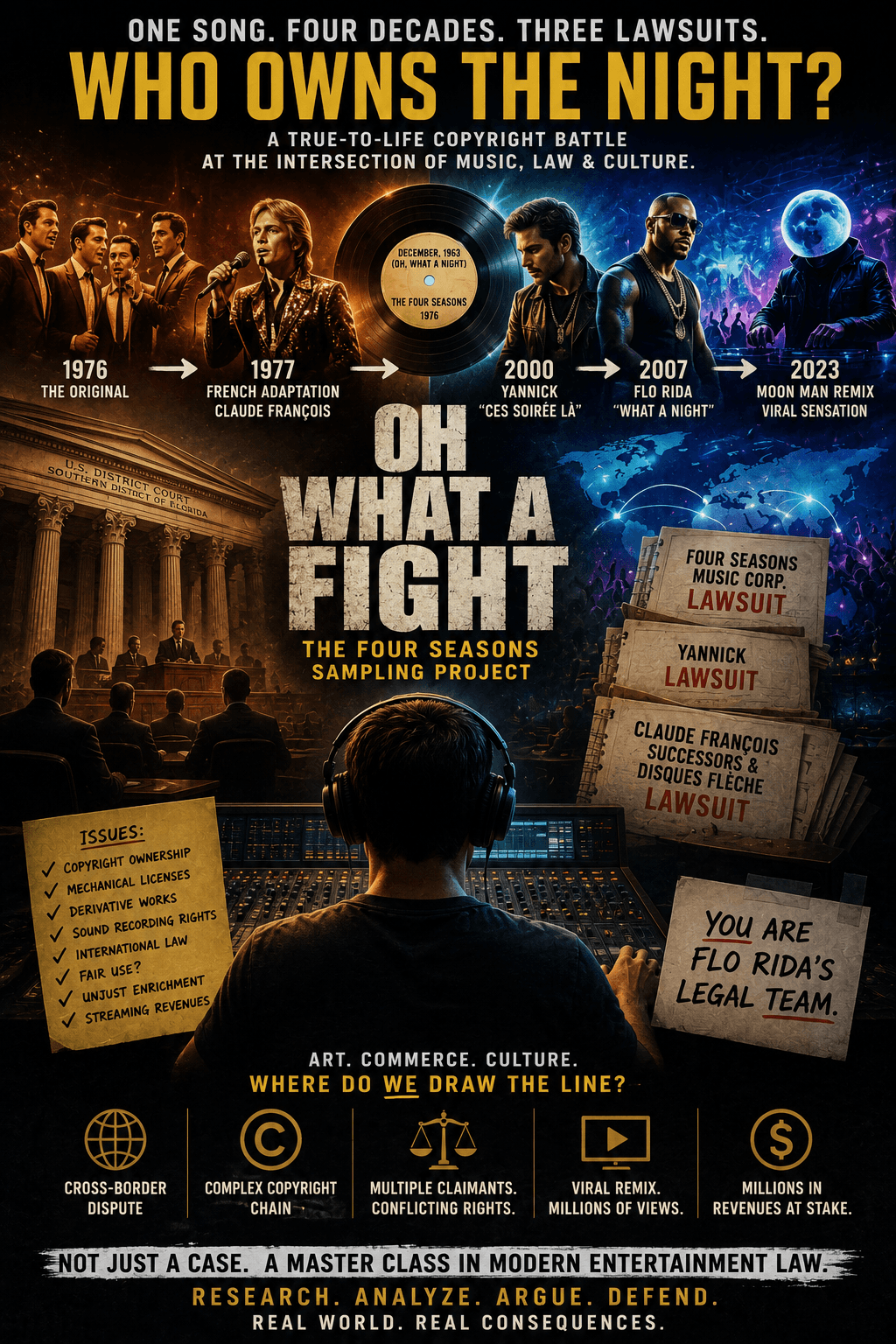
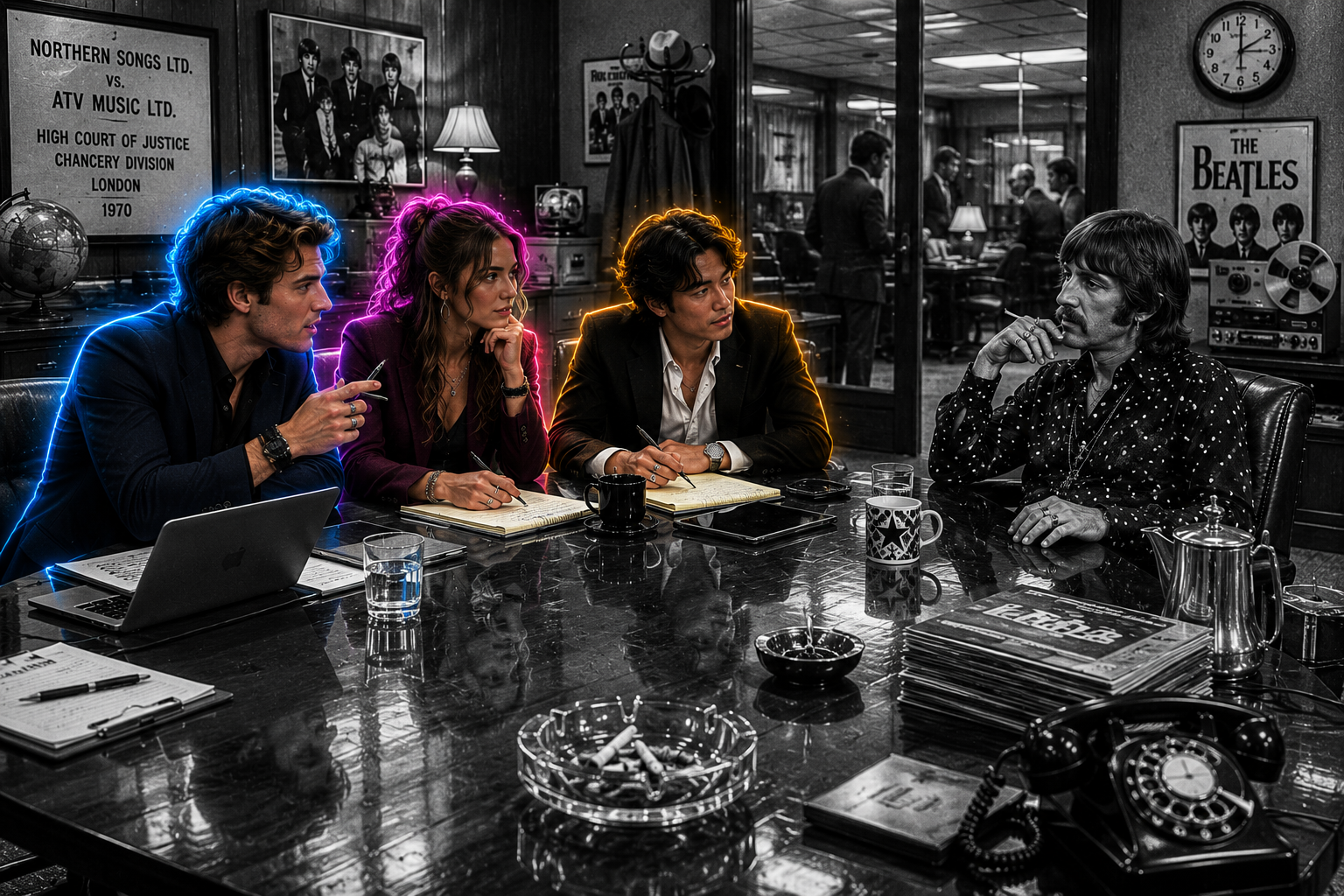
OH WHAT A FIGHT transforms copyright law, music licensing, sampling, and derivative works into a globe-spanning entertainment industry war involving Flo Rida, The Four Seasons, French pop icon Claude François, viral EDM remixes, and a mysterious masked DJ known as MOON MAN. Built like a real client emergency, the project forces students to untangle overlapping ownership claims, international licensing disputes, mechanical licenses, sound recording rights, and modern remix culture while advising a celebrity client facing multiple lawsuits. This is not abstract copyright theory hidden inside appellate opinions. It is the modern music business operating exactly where law, money, fame, streaming culture, and commercial exploitation violently collide.
CopyrightEntertainment Law
TeamTeamCollaborative work in groups — students share roles, deliverables, and the win.SoloSoloIndependent work — each student produces their own deliverable on their own.DraftingDraftingStudents produce written deliverables — contracts, briefs, motions, demand letters, memos.CreativityCreativityOpen-ended problem-solving — multiple valid approaches, students must choose and defend their strategy.Real WorldReal WorldDrawn from a real legal matter — names changed, facts intact. Plays like augmented reality where Googling and industry knowledge can give initiated students an advantage.World-RankWorld-RankProduces a deliverable that can be objectively scored against every other student submission ever made for this project. Feeds the global leaderboard.1 Week●1 WeekOne-week project with a deliverable due at the end of the week.
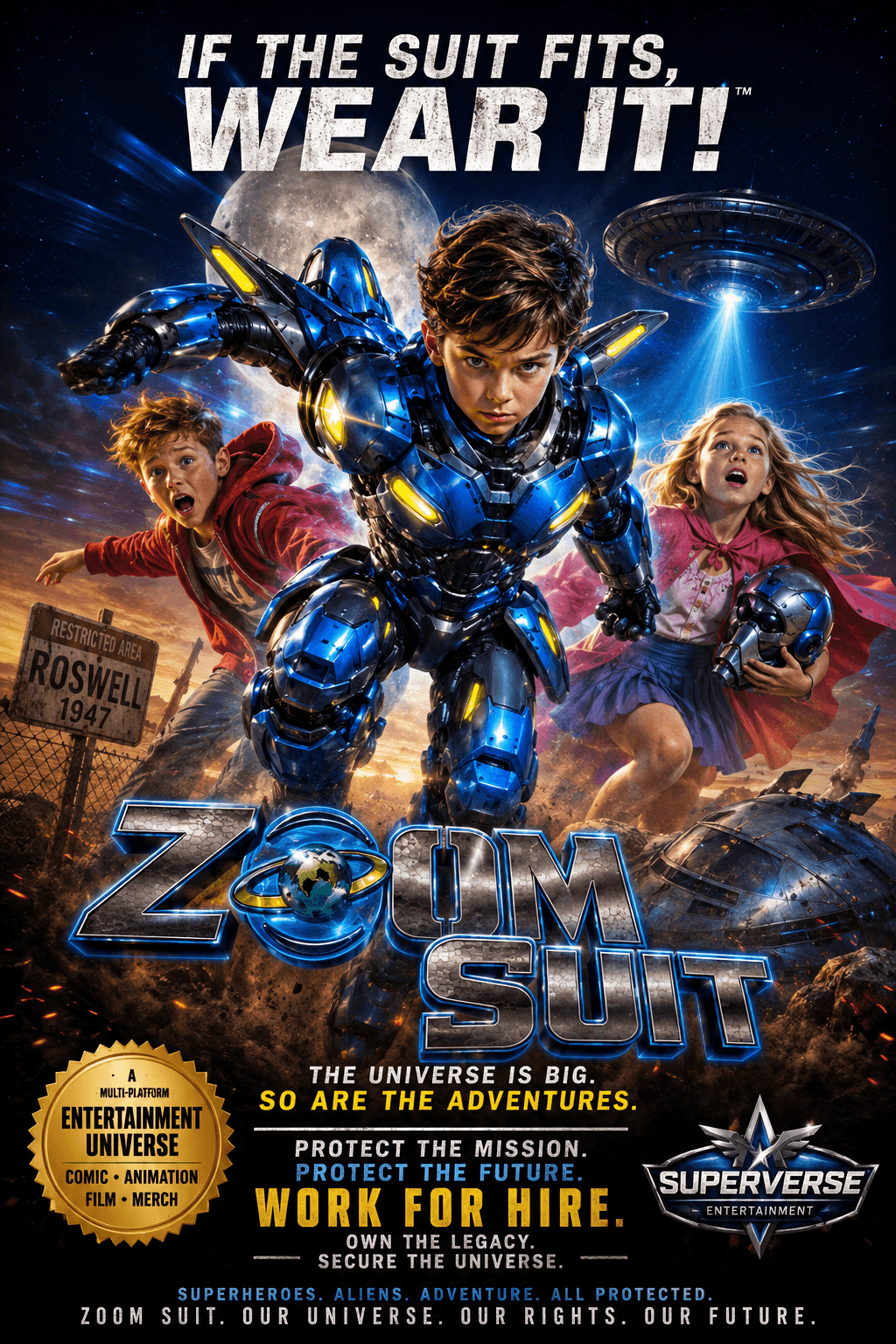
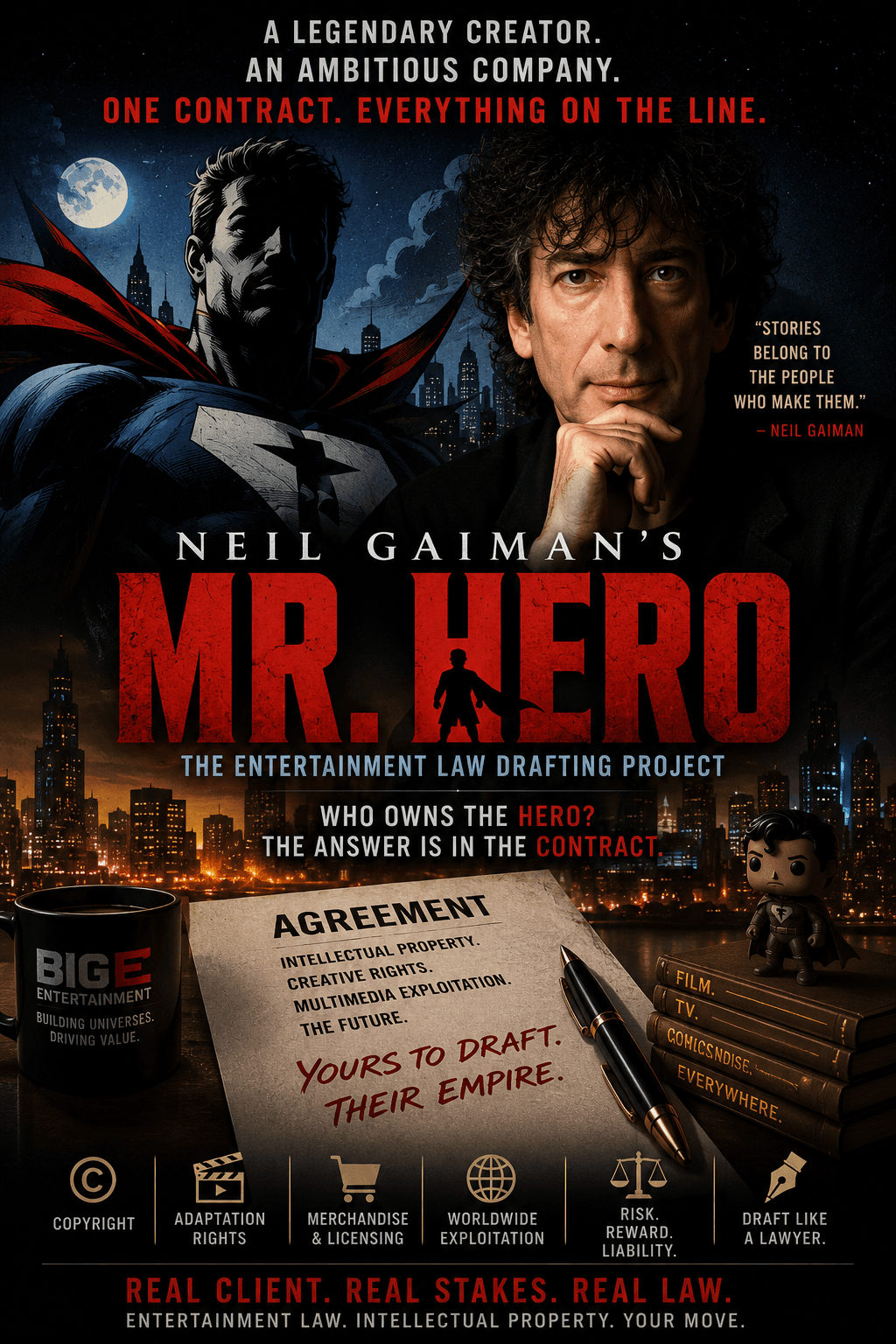
Based on a REAL comic book property published through Diamond Comics, ZOOM SUIT: The Work For Hire Agreement Project turns students into entertainment lawyers protecting a multimedia franchise from future ownership wars. Using Aalmuhammed v. Lee, students draft a real-world Work For Hire Agreement involving comics, animation, streaming, merchandising, freelancers, and legendary comic creators.
ContractsEmployment / Labor Law
SoloSoloIndependent work — each student produces their own deliverable on their own.DraftingDraftingStudents produce written deliverables — contracts, briefs, motions, demand letters, memos.Real WorldReal WorldDrawn from a real legal matter — names changed, facts intact. Plays like augmented reality where Googling and industry knowledge can give initiated students an advantage.World-RankWorld-RankProduces a deliverable that can be objectively scored against every other student submission ever made for this project. Feeds the global leaderboard.3 Hours●3 HoursThree-hour work session — typical seminar or workshop length, often a single afternoon.
Students don't just study copyright law — they become entertainment lawyers protecting a live multimedia franchise from future ownership wars. Using Zoom Suit and Aalmuhammed v. Lee, students draft real-world work-for-hire agreements while navigating comics, animation, streaming, merchandising, creative collaboration, and the dangerous legal realities behind billion-dollar entertainment universes.
ContractsCopyrightTrademark
TeamTeamCollaborative work in groups — students share roles, deliverables, and the win.SoloSoloIndependent work — each student produces their own deliverable on their own.DraftingDraftingStudents produce written deliverables — contracts, briefs, motions, demand letters, memos.CreativityCreativityOpen-ended problem-solving — multiple valid approaches, students must choose and defend their strategy.Real WorldReal WorldDrawn from a real legal matter — names changed, facts intact. Plays like augmented reality where Googling and industry knowledge can give initiated students an advantage.World-RankWorld-RankProduces a deliverable that can be objectively scored against every other student submission ever made for this project. Feeds the global leaderboard.1 Week●1 WeekOne-week project with a deliverable due at the end of the week.
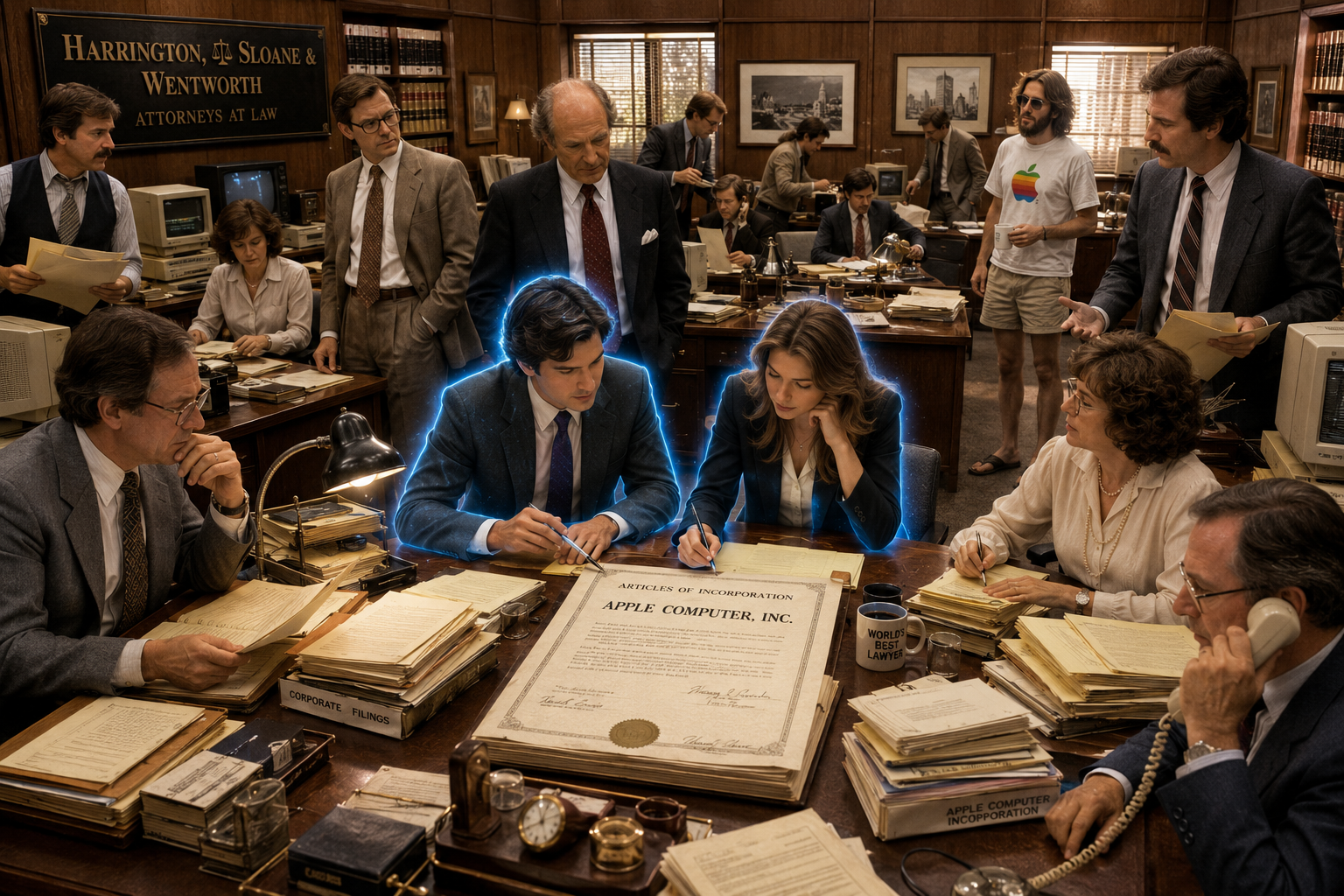
Step into the room where Coca-Cola filed one of the first trademarks in American history. In the Block Universe you don't just read the case — you sit at the table and file it yourself. Legal history, turned into hands-on practice.
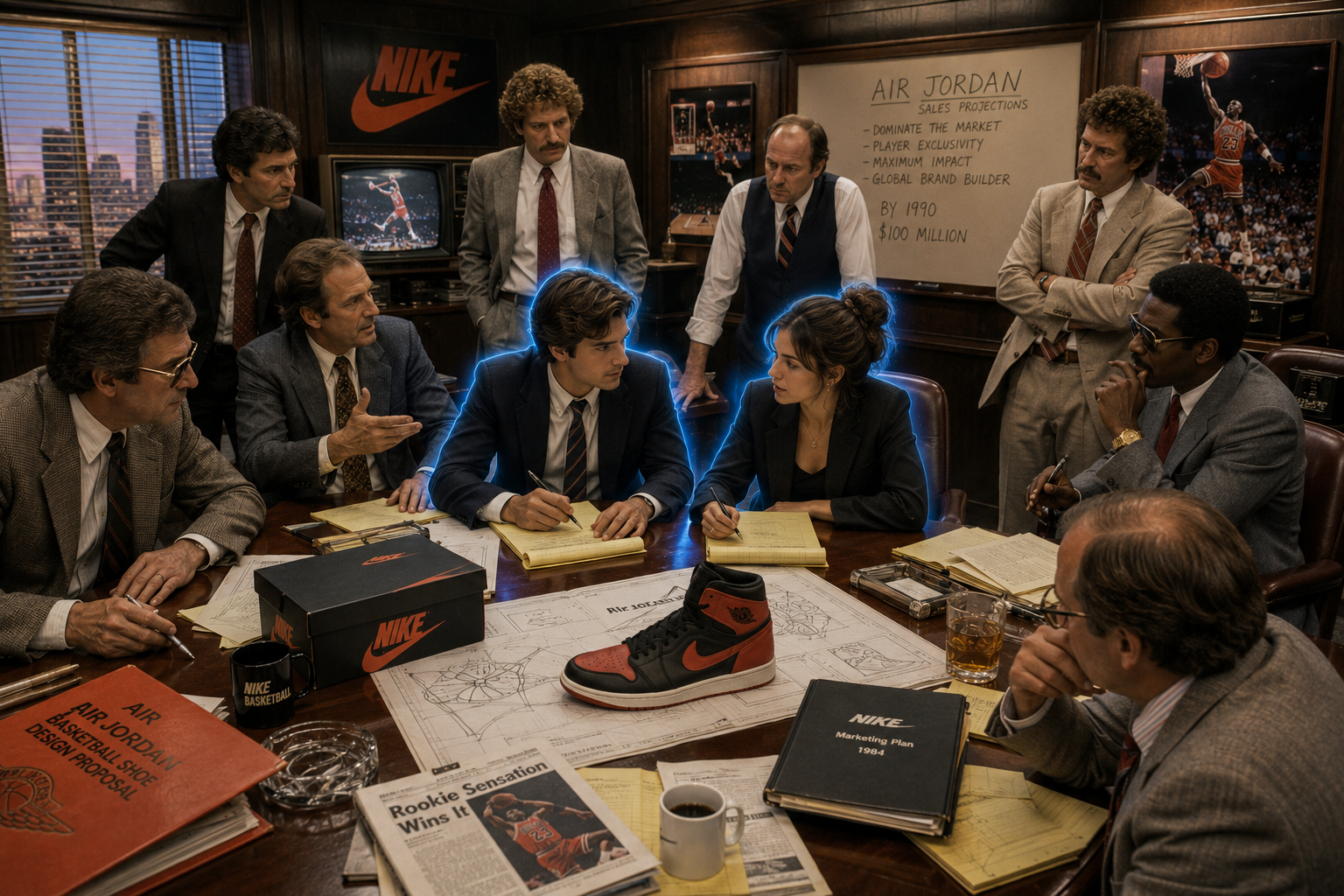
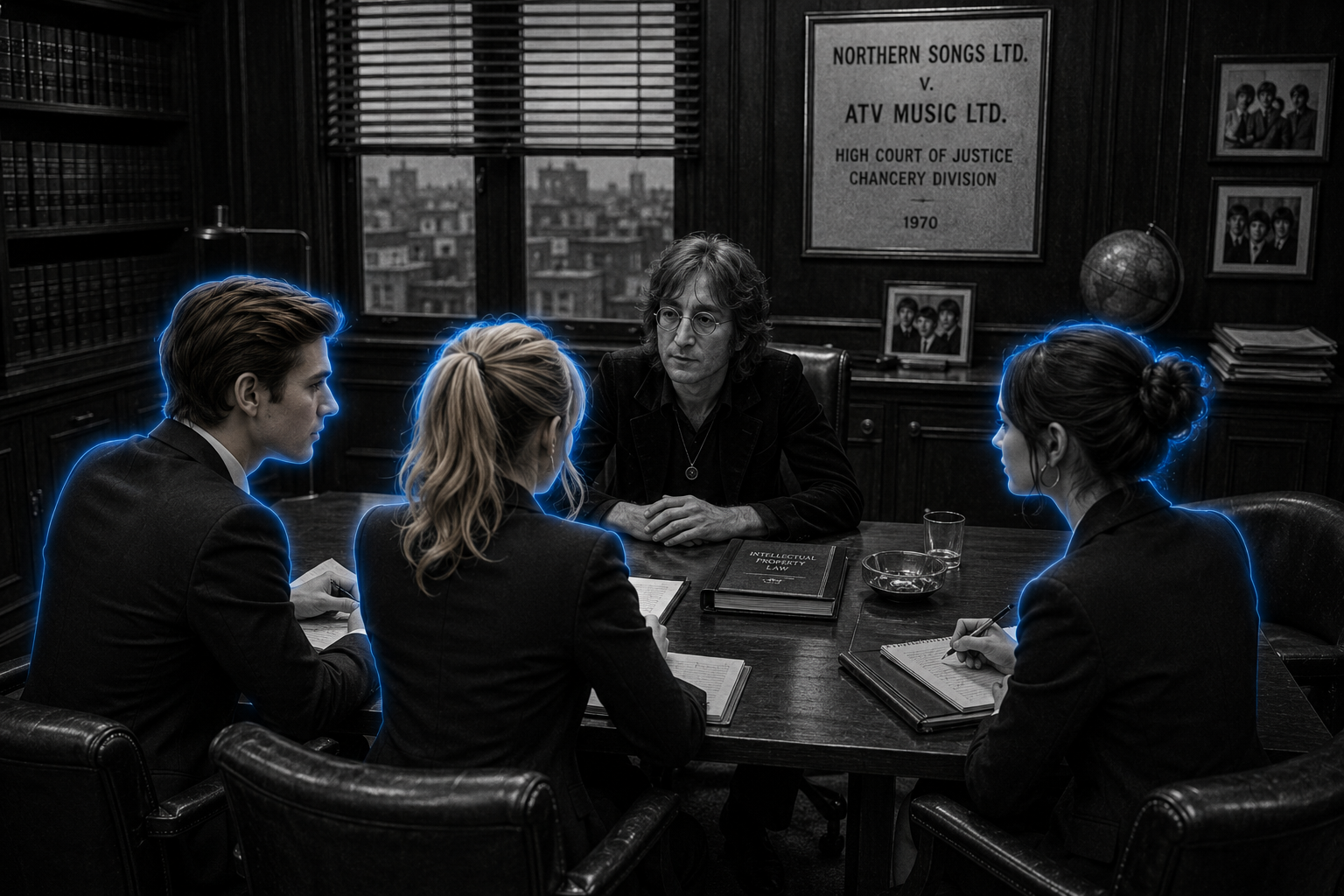
Rewind to 1985 and sit across the table from Nike and a 21-year-old Michael Jordan. In the Block Universe you don't just read the deal — you negotiate the terms and draft the contract that launched a billion-dollar brand.
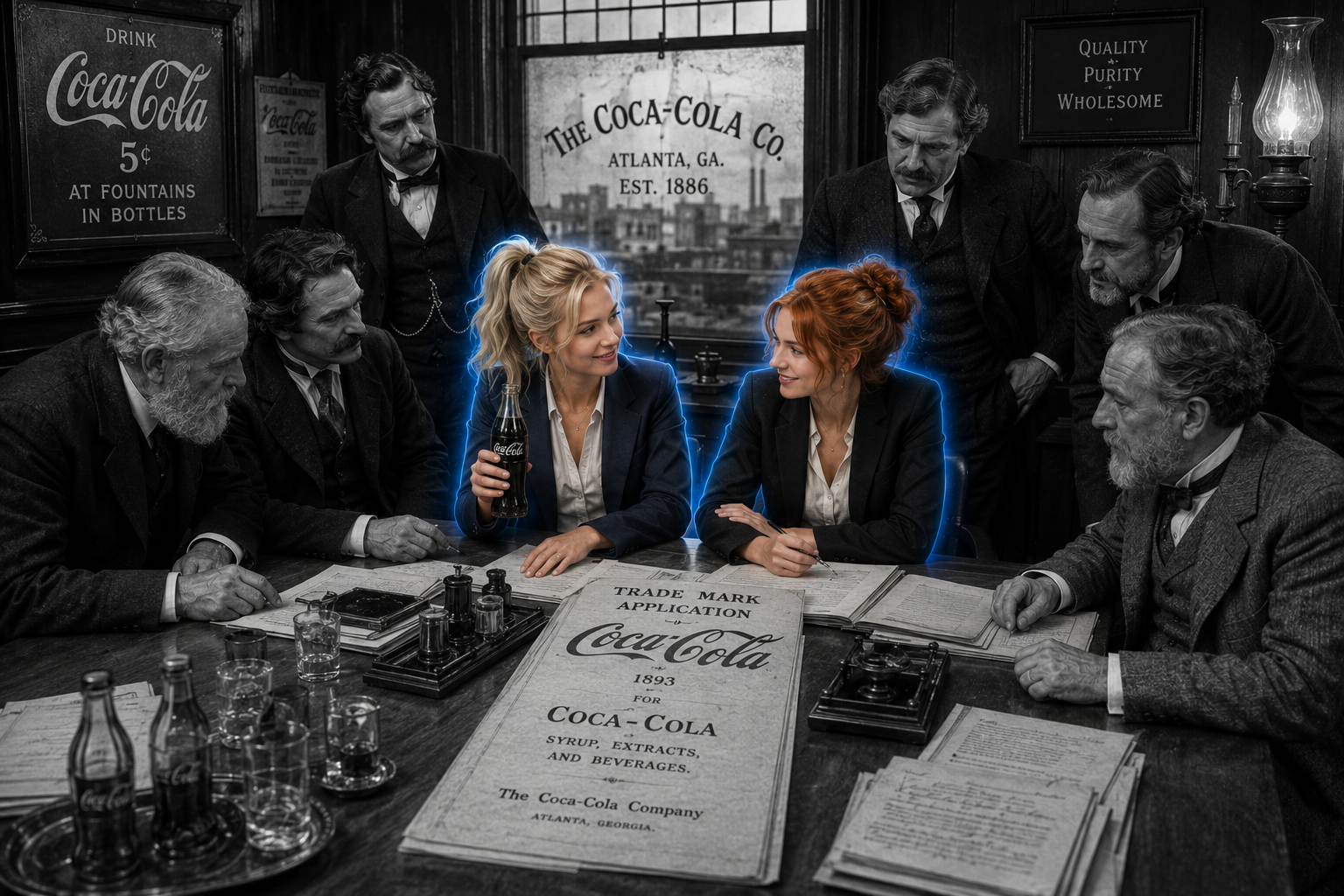
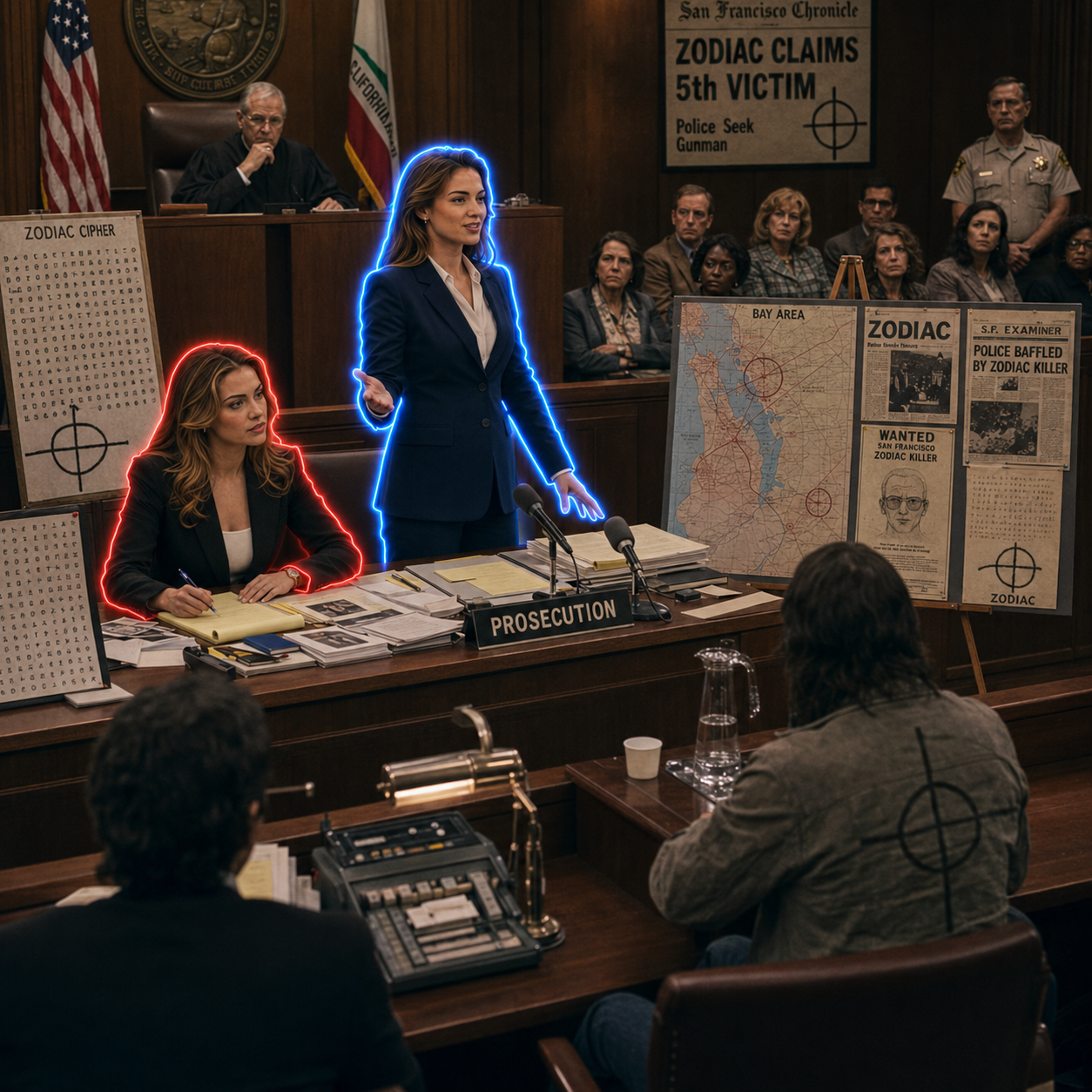
Why stop at one timeline? Bust out of the Block and into the Multiverse — where every era, every landmark deal, and every impossible "what if" becomes a hands-on legal classroom. The only limit is the law itself.
How it Works
STEP 1
Professors Assign Learning Simulations from the Project Store
Professors assign registration the same way they assign textbooks. Students create their accounts, connect to their school, and enter a course environment that their professor controls. From the first login, students are inside a working legal training system, not a static assignment portal.
STEP 2
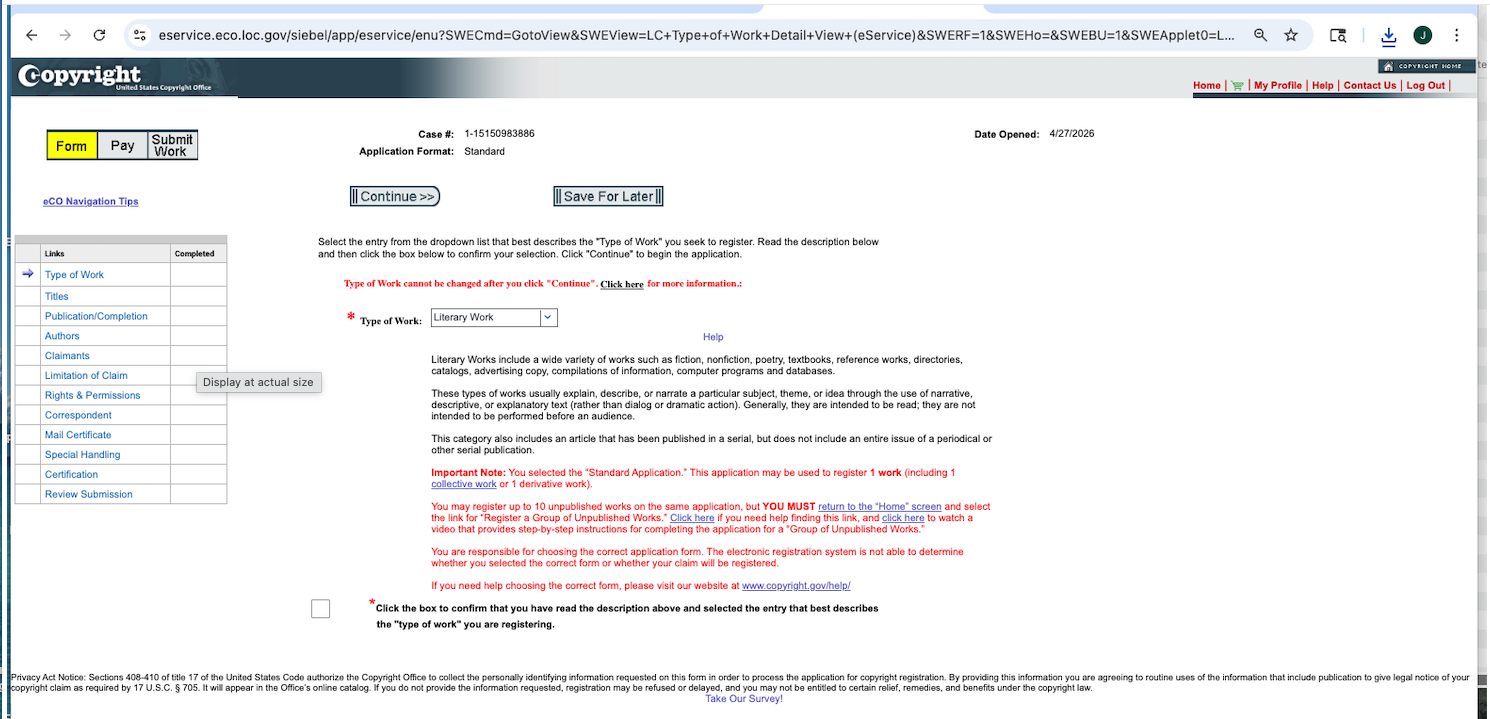
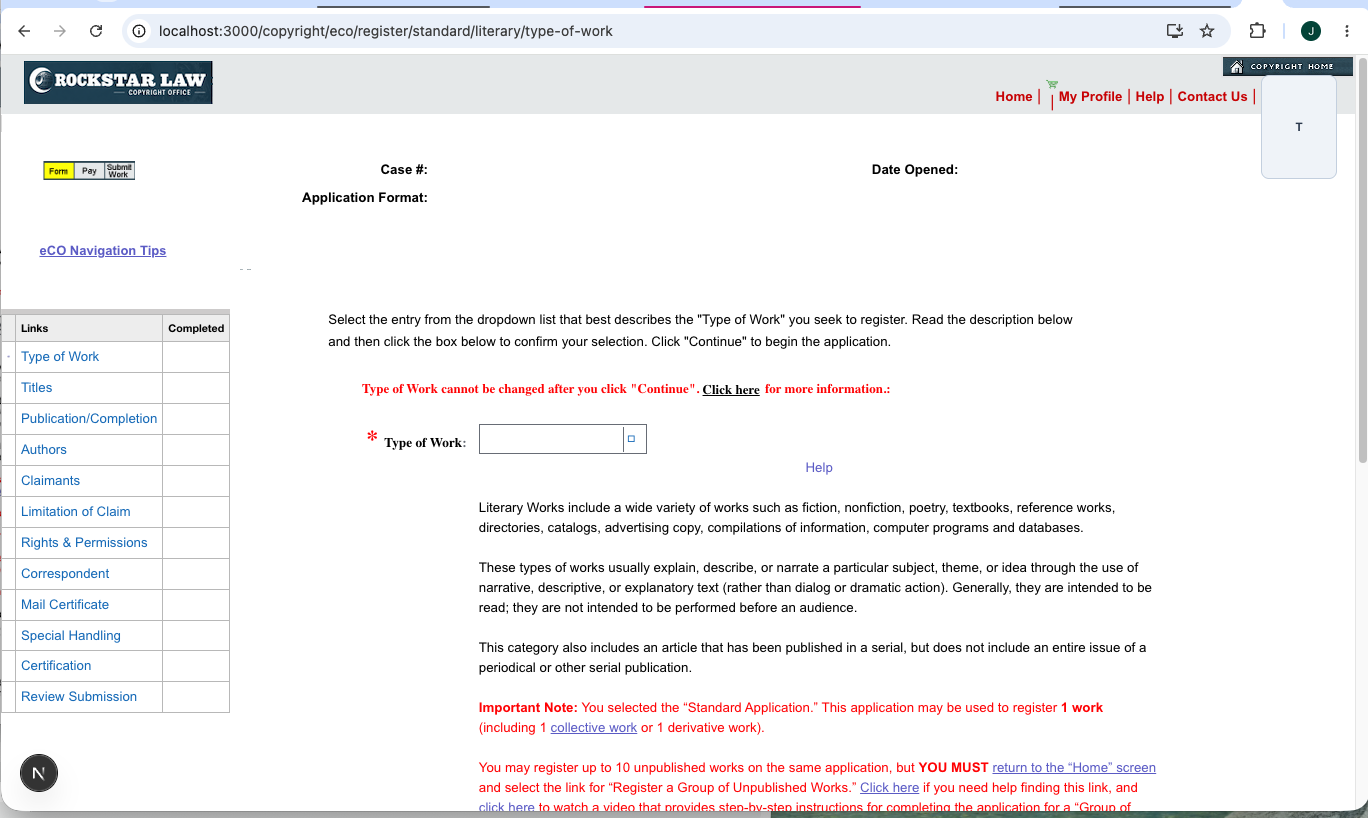
Students Work with 1:1 Real-World Registration & Filing Websites
RockStar Law doesn't train students in fantasy-world perfect hypotheticals—it trains them inside the chaos, confusion, and broken infrastructure of the actual portals and registration systems lawyers deal with every day. Every simulation is a 1:1 replica of the real thing.
STEP 3
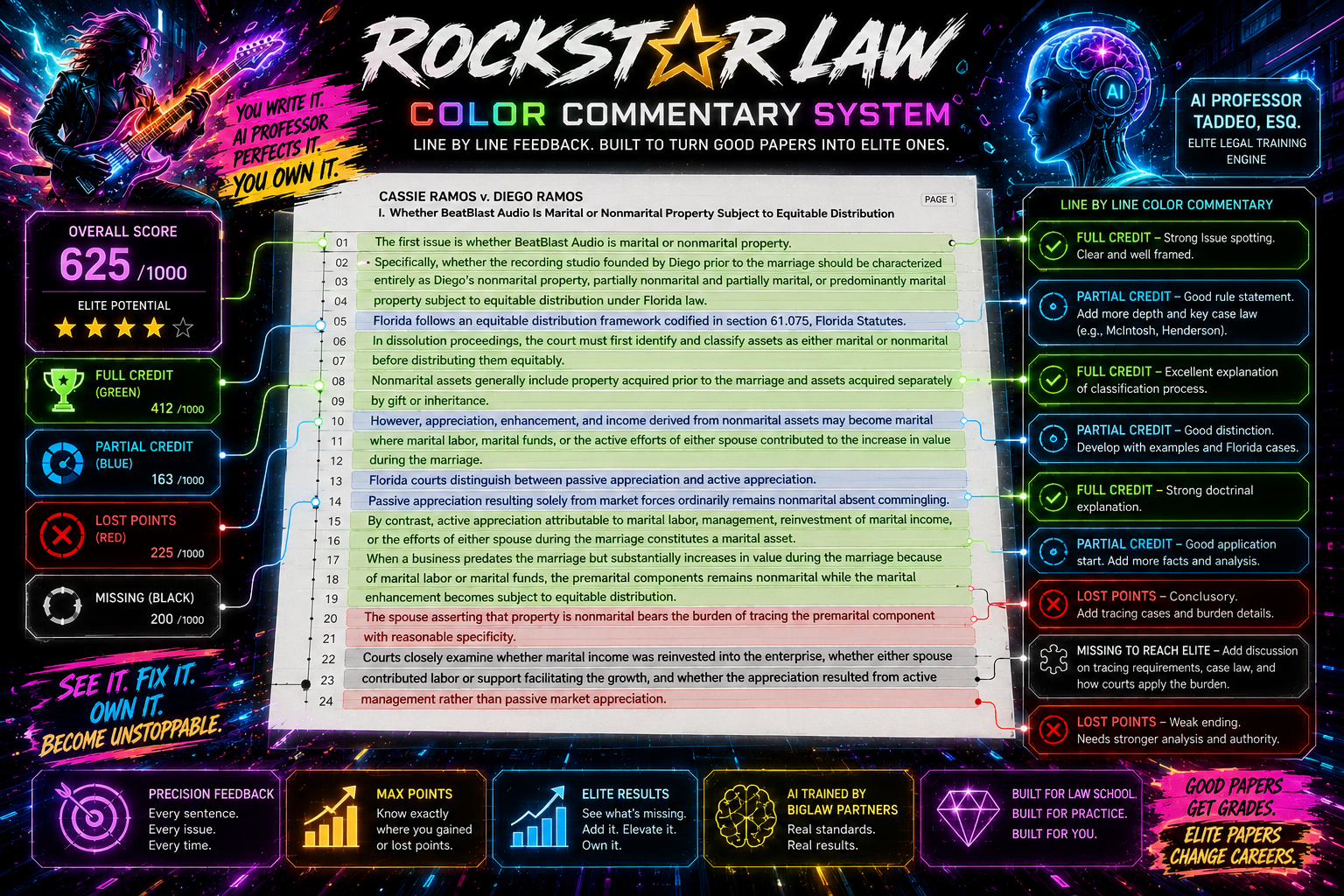
Professors Get Pre-Graded Student Submissions w/ “Line-by-Line” Feedback
RockStar Law's “Color Commentary” system turns grading from a mysterious punishment into a visual, strategic, real-time legal training simulation—students see exactly where they won, where they lost points, and what separates “good enough” from elite analysis.
STEP 4
Getting a Job is Easy When You Can Earn Your Employer Money Day One!
Professors receive detailed, line-by-line feedback to share with students—at a level that would be impossible to deliver at scale in a traditional classroom. The system helps identify what students did, where they struggled, and how their work product can improve.