Real-World Systems
Every Simulation Is a 1:1 Replica of the Systems Lawyers Fight Through - Daily.
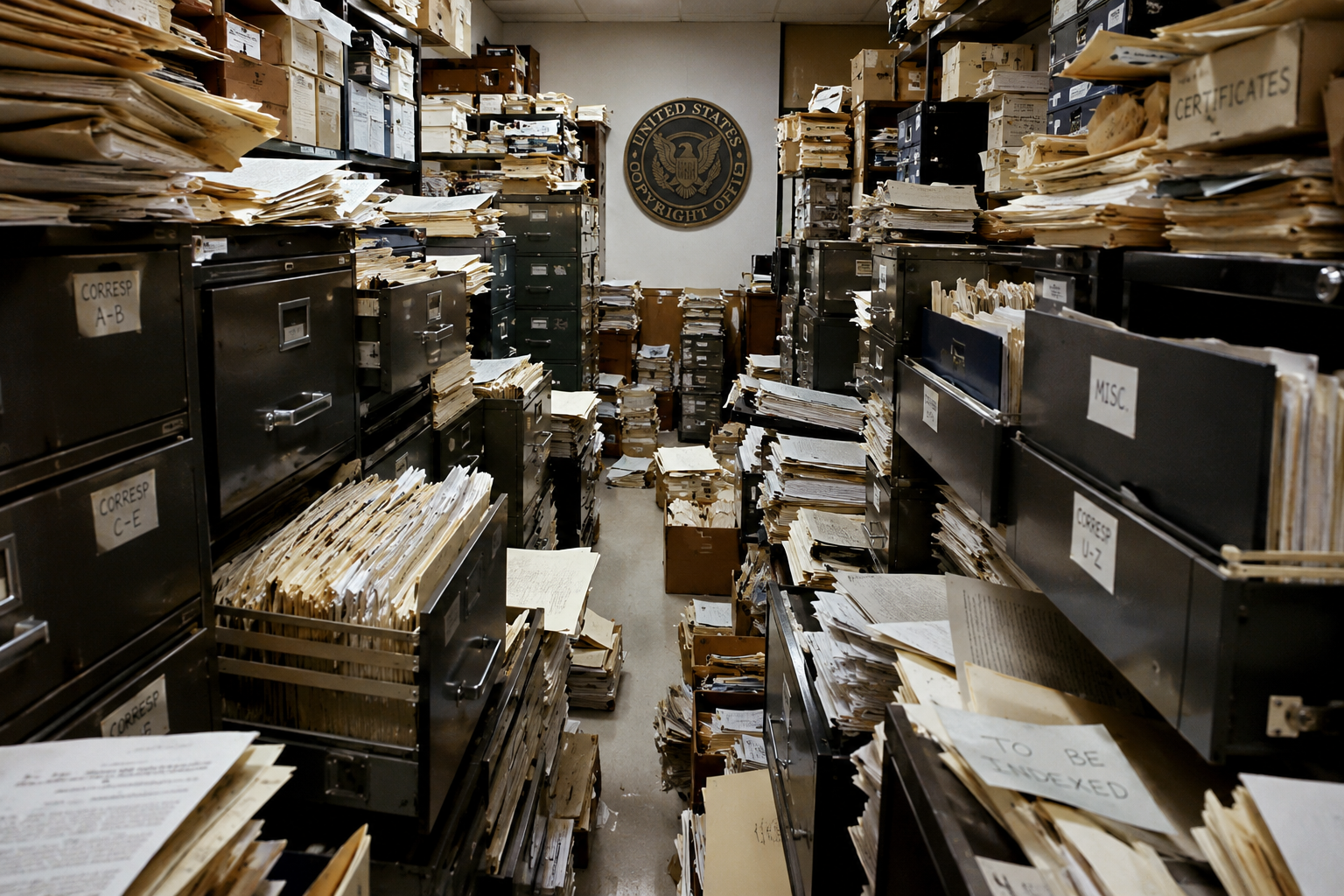
RockStar Law doesn't train students in fantasy-world perfect hypotheticals. It trains them inside the chaos, confusion, frustration, broken and often outdated infrastructure of the actual online portals and registration systems that they will have to deal with on a daily basis as lawyers. Every simulation is built as a 1:1 replica of the actual environments lawyers fight through every day - trademark offices with outdated interfaces, copyright systems with missing functionality, SEC filings that break mid-process, IRS systems with contradictory instructions, state court portals with dead links, filing systems that crash, corporate databases that make no sense, and procedural traps hidden inside obsolete workflows.
And that's intentional.
It would have been easy to make highly functional, stable and simple-to-understand filing portals - but that's not reality! The US Copyright Office website - it's written on Siebel, a customer-relationship-management (CRM) platform from Siebel Systems whose heyday was the late-1990s through early-2000s. Oracle bought Siebel in 2006. So the underlying platform is early-2000s-vintage technology. It's essentially a Customer Relationship Management tool repurposed into a copyright-registration system, which is a big part of why it feels so clunky - the tutorials were written for Internet Explorer 6. Internet Explorer 6 was released on August 27, 2001 - that means it was likely programmed on a computer with a 20GB hard drive, running Windows XP, with the programmer looking at one of those huge CRT monitors.
Putting Down an iPhone and Trying to Navigate That - Culture Shock at Best, Failed Interview at Worst.
Imagine your students telling the interviewer, “I can file 10–20 copyrights an hour right now. I use a website identical to that at school all the time.”
In the real world, lawyers do not practice law inside polished textbook diagrams. They practice law inside malfunctioning systems built over decades by bureaucracy, politics, patches, legacy code, and procedural drift. RockStar Law forces students to experience those breakdowns before their careers, clients, reputations, and licenses depend on it.
The simulation teaches students how to stay calm working on often frustrating or failing systems, how to strategize around technological dysfunction, how to identify hidden procedural dangers, and how to solve problems while everyone else panics. If “brokenness” is part of the way an agency does business, the curriculum follows - not as a ploy, and only in the same exact manner as it does in real life.
Do not get the wrong idea! We didn't intentionally create frustration or confusion - we only copied it, so that a student's first experience dealing with it wasn't at a time when it mattered most.
By the time students encounter the real SEC, USPTO, Copyright, PACER, IRS, or state division of corporations or courts, they're battle-hardened, having survived the simulated war-zone version first.