The Block Universe
RockStar Law Launches Cinematic Legal Multiverse
Students Don’t Just Study Legal History or Case Law...They Enter It.
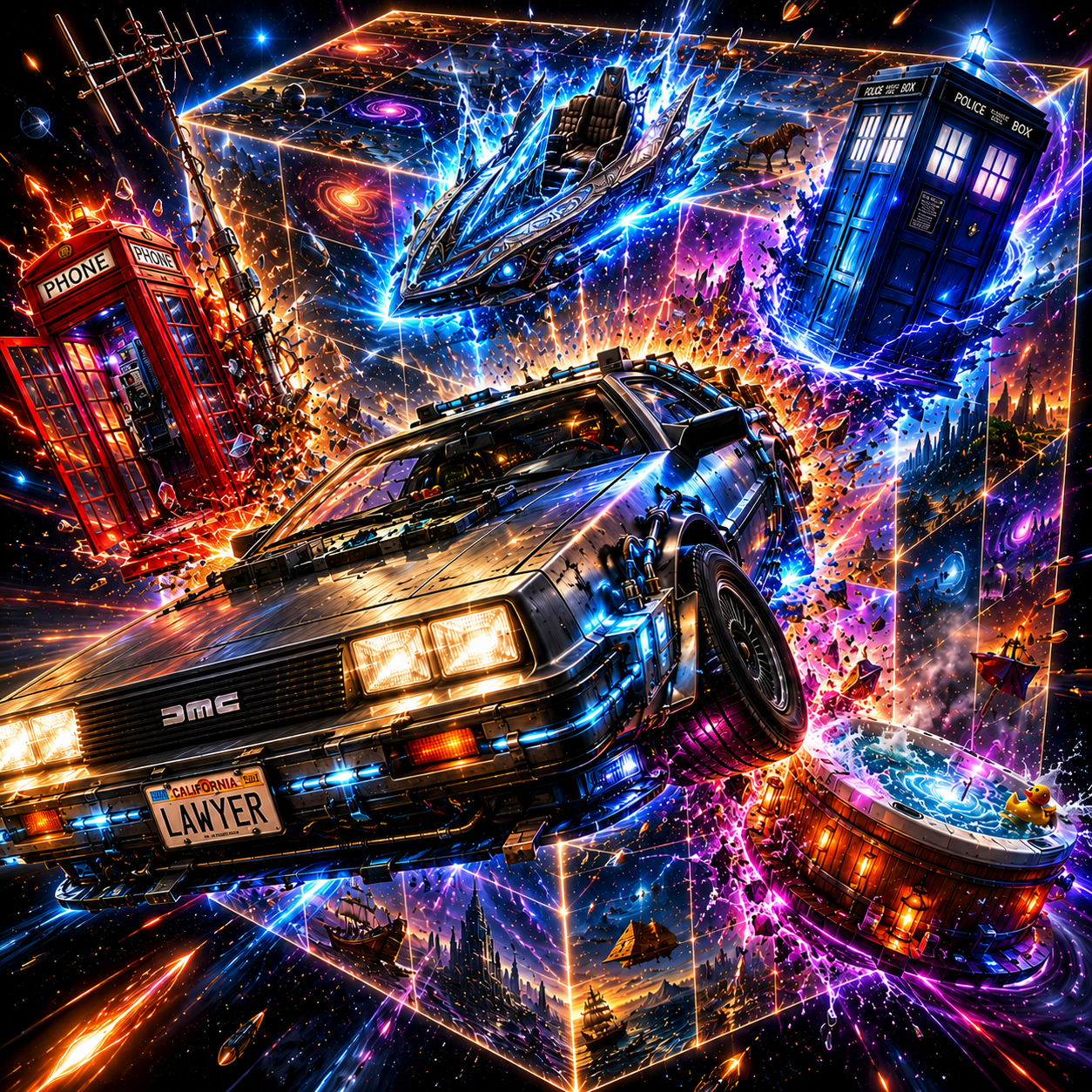
What if the greatest legal moments in history were not over, but waiting? What if the deals, trials, filings, negotiations, licensing battles, boardroom disasters, brand launches, capital raises, criminal defenses, and courtroom showdowns that shaped the modern world still existed somewhere in time, ready to be entered, studied, challenged, or even changed?
That is the premise of RockStar Law, a legal training universe built around one explosive idea: students should not merely read about the moments when lawyers mattered most. They should be placed inside those moments, handed the file, given the deadline, confronted with the client, and forced to make the legal, business, and strategic decisions that determine what happens next.
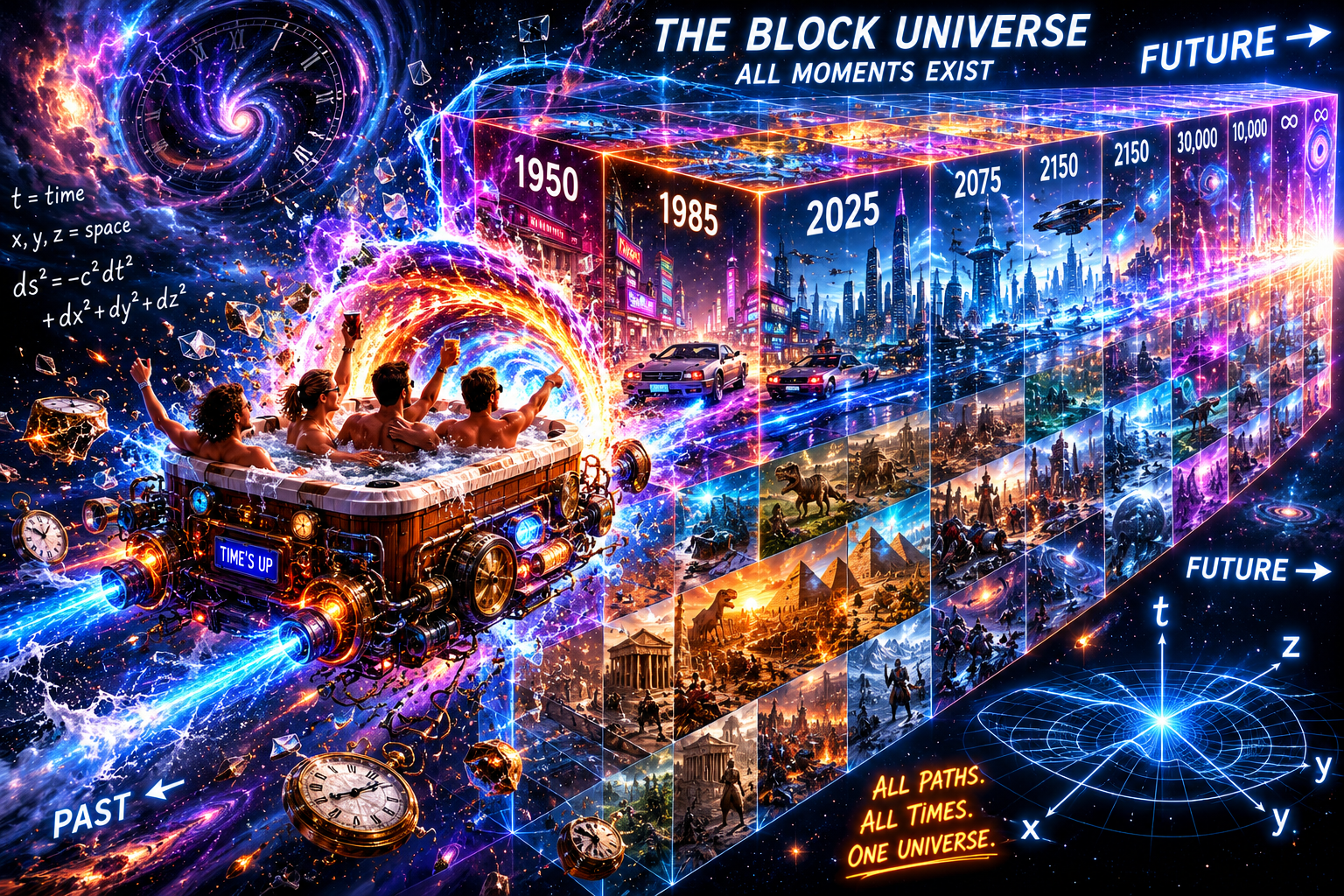
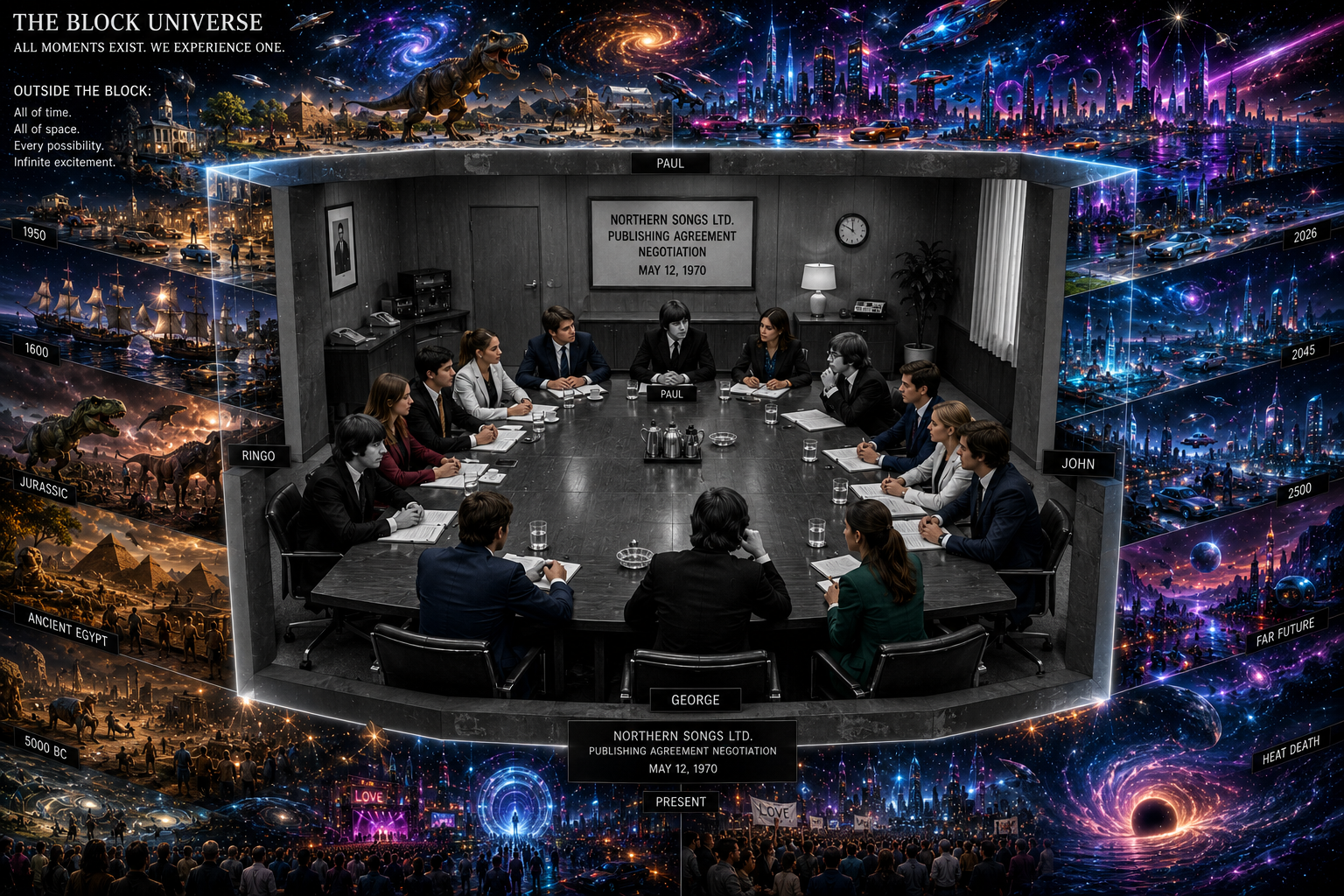
RockStar Law uses the Block Universe theory - the past, present, and future all exist at once as part of an infinite timeline. RockStar Law transforms that concept into an immersive legal simulation platform by turning the greatest legal moments in history into active training grounds.
At the center of it all is RockStar Law’s proprietary ImagineEngine, the technology that makes each simulation feel legally, historically, and procedurally real. When a student is assigned a simulation, the world in front of that student becomes “Time Streamed” meaning every database, agency, filing system, conflict search, business record, legal standard, and front-facing fact that the student will receive will reflect the moment in time where the simulation takes place. For example, if a student is filing the Coca-Cola trademark in 1893, the trademark world does not look like it looks today. The simulated trademark search does not reveal modern registrations, modern conflicts, modern brand dominance, or modern assumptions; it shows only what would have been visible then, so if there were no conflicts in 1893, there are no conflicts, and if there were conflicts in 1893, those conflicts will need to be dealt with...all over again.
The same principle applies across the entire platform. State and federal agencies respond as they would in the real world, forms behave as real forms behave, outdated systems remain outdated, confusing instructions remain confusing where real lawyers would have to deal with them, and broken or limited functions appear where real-world legal infrastructure would create friction, delay, risk, or uncertainty. This is not “throwing a few monkey wrenches.” This is 1:1 front facing recreations of the state and federal agencies and courts that students will have to navigate on a daily basis once they become lawyers.
That is what separates RockStar Law from ordinary classroom hypotheticals. Students are not practicing in a sanitized fantasy version of law where every website works, every agency is clear, every deadline is obvious, and every legal question arrives neatly labeled; they are training in a simulation environment designed to reproduce the mess, pressure, imperfection, and consequence of real practice before those mistakes can hurt a real client.
In one simulation, a student may enter the room before the Air Jordan brand exists and advise on a deal that could become a billion-dollar athlete empire. In another, the student may help organize Apple Computer in 1976, confront the early ownership and capitalization questions, and discover that the legal structure of a garage startup can become one of the most important business decisions in modern history. Another may negotiate Star Wars toy rights before the world understands that merchandising could become the real empire, while another may mediate Beatles litigation before the cultural, financial, emotional, and legal stakes have hardened into history.
These simulations are not nostalgia exercises, and they are not legal trivia dressed up as entertainment. They are designed to force students to practice law at the only moment when lawyering truly matters: before the answer is known, before the deal is closed, before the filing is made, before the witness testifies, before the contract is signed, before the mistake becomes irreversible, and before history decides who was brilliant and who missed the point.
Information arrives in more than mere casebooks. Students receive transcripts, recorded meetings, and emails and texts from clients, co-workers and their firm’s senior partner. Many in the first round of students to experience it called the learning experience, “Like playing an augmented reality game.”
If it is a game, with the real life communications, 1:1 interfaces and real world changes and deadlines...it’s the game that plays you.
RockStar Law also opens the door to the Imagine If cases, where students are not limited to what happened in the real world. These simulations ask what might have happened if a different lawyer, a different strategy, a different clause, a different objection, or a different understanding of the business reality had changed the path of history.
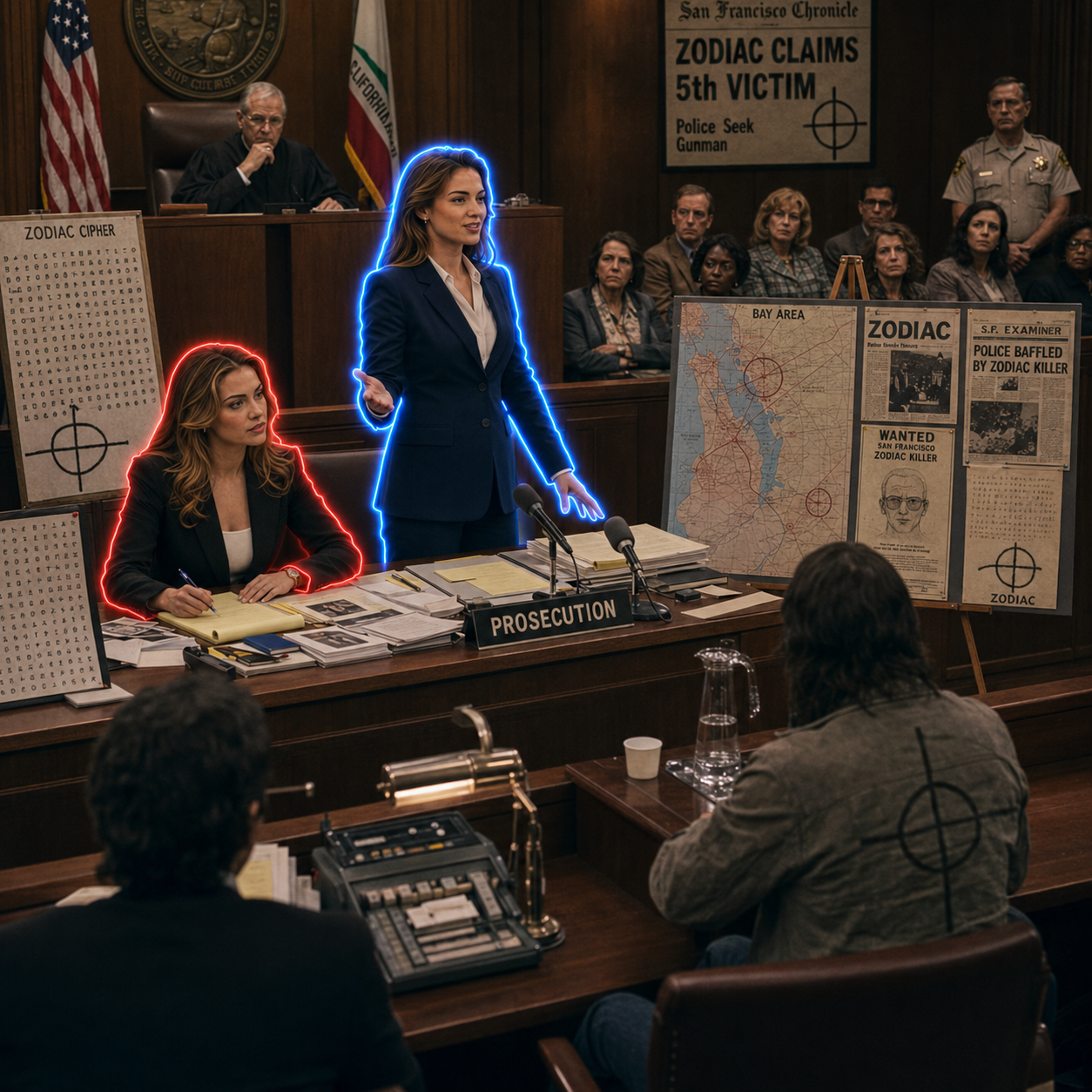
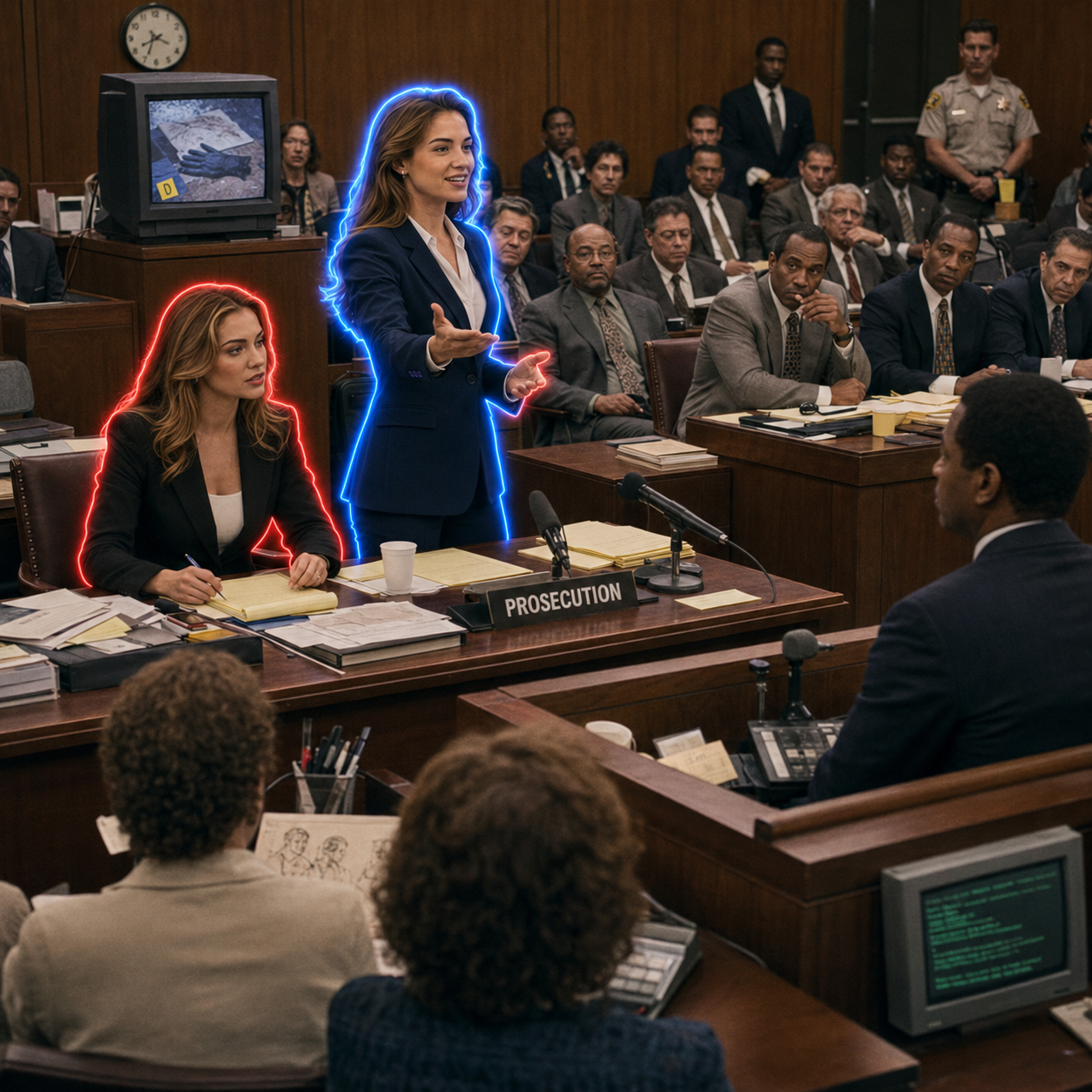
Imagine if the student were the prosecutor in the O.J. Simpson case, forced to decide what evidence to emphasize, what theory to abandon, what witness to prepare differently, and what mistakes to avoid before the jury ever hears the case. Imagine if the student were the lawyer advising Blockbuster when it had the chance to acquire Netflix, with the future of entertainment hidden inside a deal that only looks obvious after the world already knows the ending.
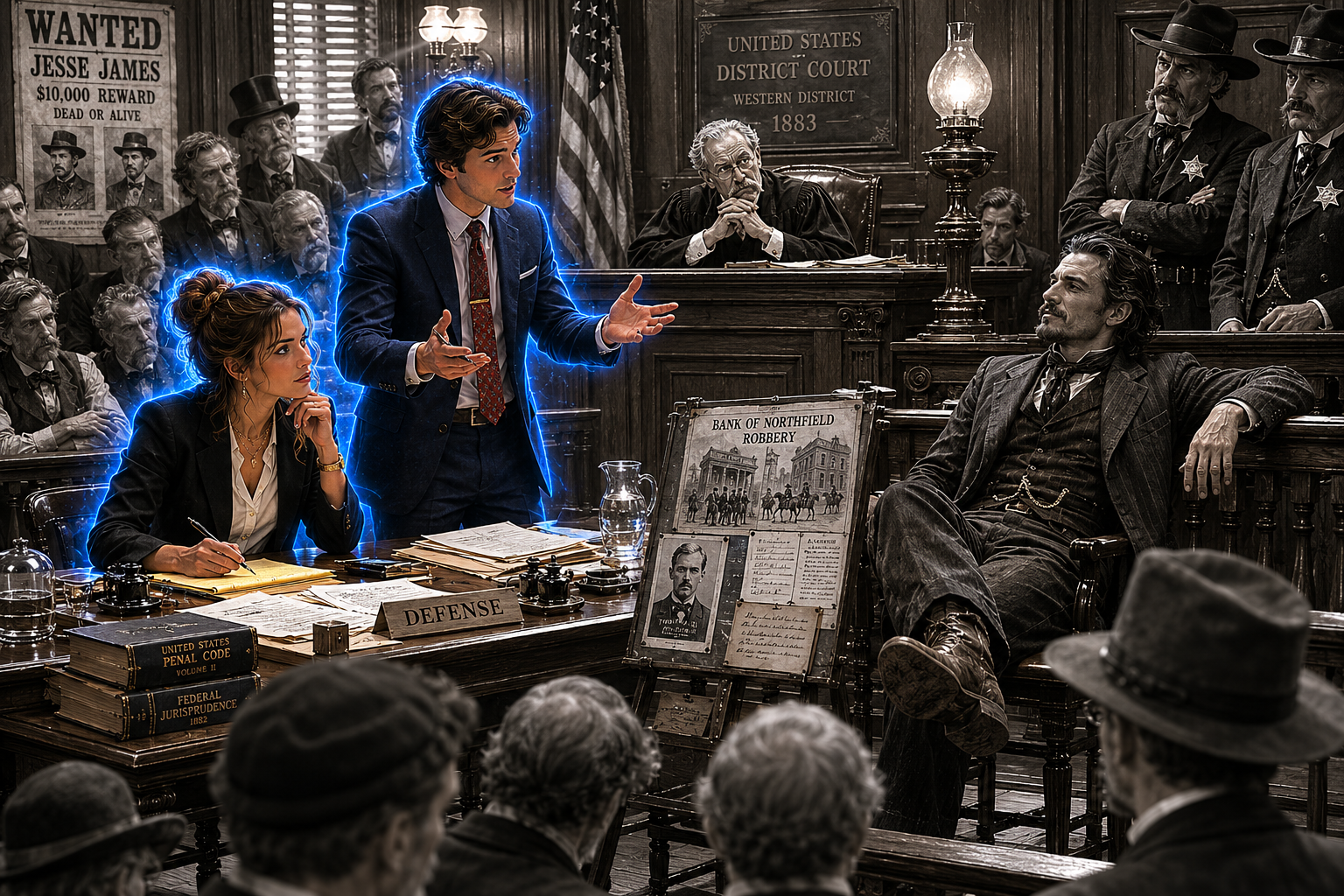
Imagine if the student were Jesse James’s defense attorney, Billy the Kid’s lawyer, or counsel in any courtroom, meeting room, boardroom, agency office, studio negotiation, capital raise, licensing summit, trademark fight, copyright dispute, product-liability crisis, criminal trial, or corporate collapse that can be imagined. RockStar Law can bring students into those rooms, give them the documents, make the systems respond, and force them to live with the consequences of their choices.
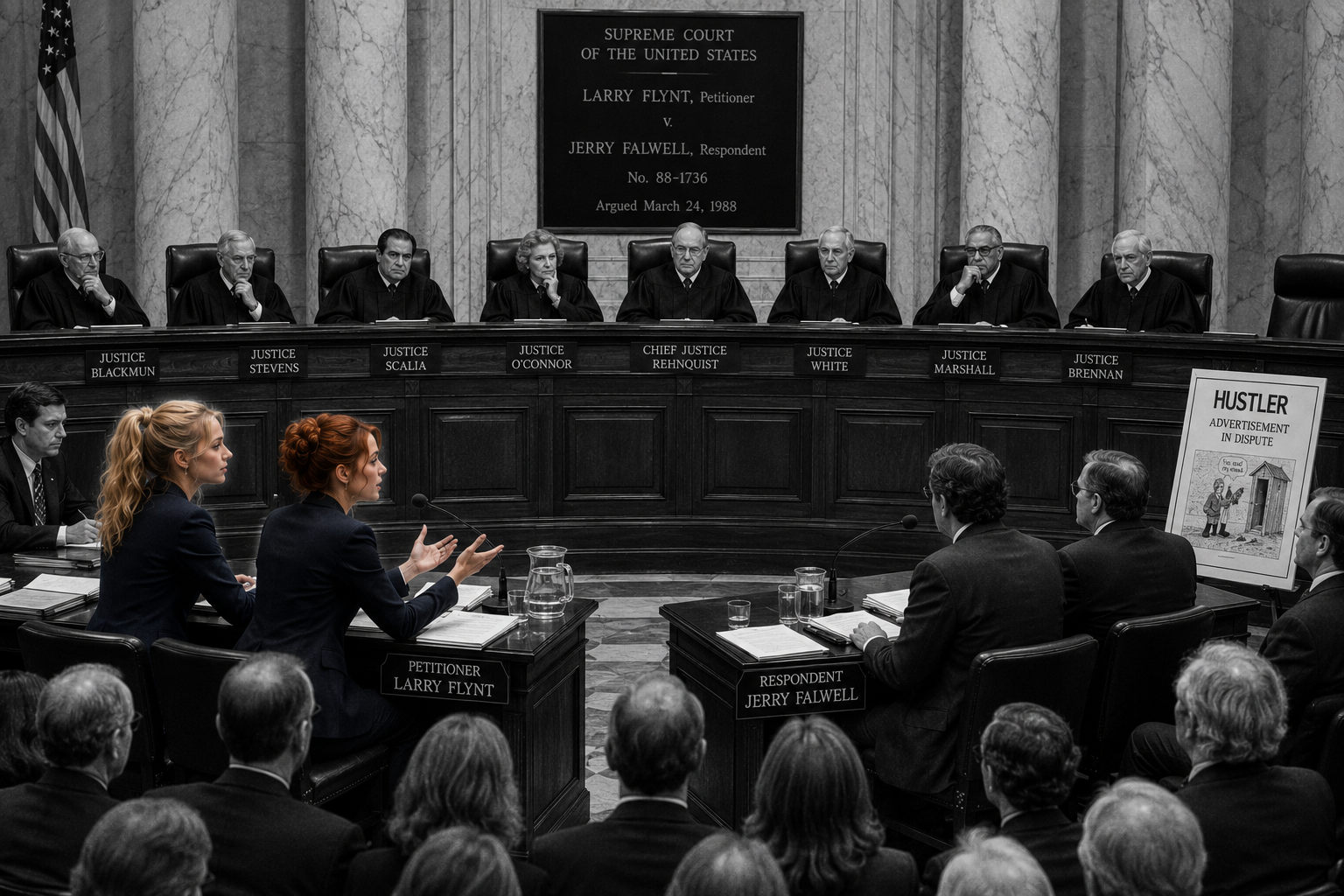
The power of the platform becomes even greater because RockStar Law projects can be written by the lawyers, entrepreneurs, executives, businesspeople, dealmakers, creators, and advisors who were actually in the room when real deals happened. Instead of generic hypotheticals written from a distance, the platform can host simulations built from real-world judgment, real commercial pressure, real negotiation dynamics, and real mistakes that only the people inside the transaction fully understood.
That means students can work through projects involving licensing deals, entertainment properties, investment companies, software development, media brands, merchandising empires, private placements, capital raises, intellectual property ownership fights, distribution arrangements, and brand-extension strategies. The world of RockStar Law can include projects inspired by deals and issues involving MTV, Paw Patrol, Teenage Mutant Ninja Turtles, Marvel, Fleer, Beavis & Butthead, liquor brands, graphic novels, investment companies, software platforms, and countless other commercial settings where law and business collide.
The result is a legal education platform broad enough to touch nearly every major subject students study and every major skill lawyers use. Contracts, UCC Sales, Negotiations, Securities Law, Copyright, Trademark, Capital Markets, Property, Criminal Law, Torts, Product Liability, Liquor Laws, Business Entities, Corporate Law, Private Placements, Capitalization, Licensing Law, Entertainment Law, Agency, Civil Procedure, court filings, client counseling, risk analysis, and deal strategy can all become immersive simulations inside the RockStar Law universe.
RockStar Law is also designed for professors, not just students. Professors can write their own projects, build simulations for their own classes, assign those simulations to their students, and shape the experience around the subjects, skills, and professional judgment they want to teach.
Those professor-created projects can also become part of the RockStar Law Project Store, where other professors can discover, license, adapt, and assign simulations created by colleagues across the country. A brilliant trademark simulation, a criminal trial strategy project, a startup capitalization crisis, a copyright ownership battle, a licensing negotiation, or a torts disaster file does not have to live and die inside one classroom; it can become part of a national marketplace of legal training experiences.
That changes the role of the law professor from lecturer to world-builder. Professors are no longer limited to casebooks, canned hypotheticals, or end-of-semester exams, because RockStar Law gives them the tools to create legal environments where students must act, decide, draft, negotiate, file, advise, and perform.
Then comes World Rank, the competitive layer that turns legal training into a measurable arena of performance. Students are graded and their scores are ranked, by simulation, against every other participant of that simulation – Worldwide and for all time, creating a record of demonstrated legal skill rather than merely a transcript of completed coursework. It’s less a leaderboard, and more, “Who is the current heavyweight champion of the World?”
This is where RockStar Law becomes more than a platform and starts to become a proving ground. A student can leave with evidence that they did not merely study contracts, but negotiated them; did not merely read trademark cases, but searched, filed, responded, and cleared marks; did not merely learn securities law, but prepared capital-raise documents and faced regulatory consequences; did not merely memorize torts, but managed risk before the injury became a lawsuit.
The old model of legal education tells students to read what happened, brief the case, take the exam, and hope practice teaches them the rest. RockStar Law turns that model inside out by placing students inside the deals, disputes, filings, negotiations, trials, and business decisions that built the modern world, then asking them to perform while the outcome is still uncertain.
The Block Universe means the greatest legal moments are still there, and the ImagineEngine makes those moments legally alive. RockStar Law turns them into training grounds where students can enter any courtroom, any boardroom, any deal room, any agency, any crisis, and any moment in legal history, then practice making the decisions that lawyers are paid to make when the stakes are real.
RockStar Law: Train Here. Litigate Anywhere.