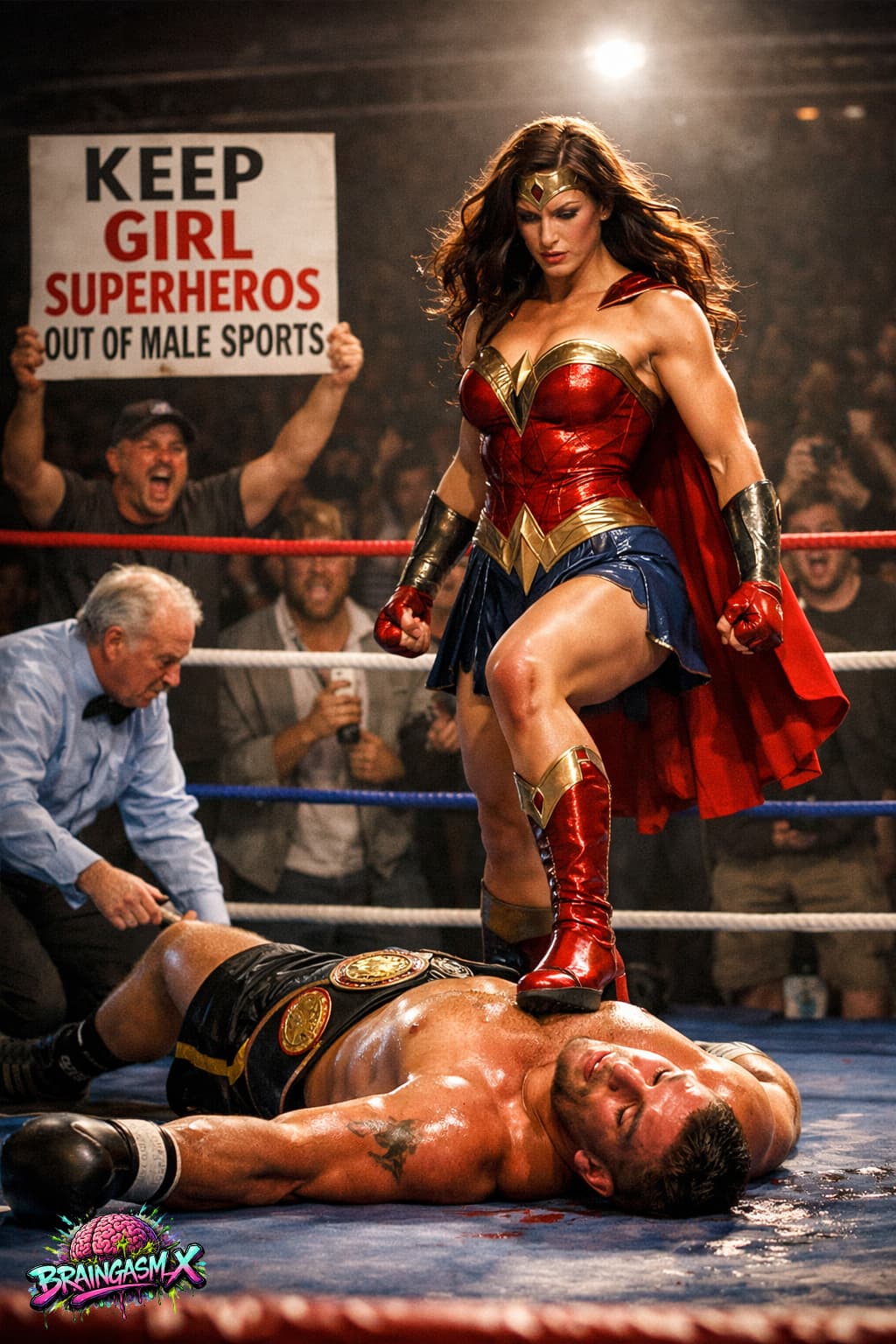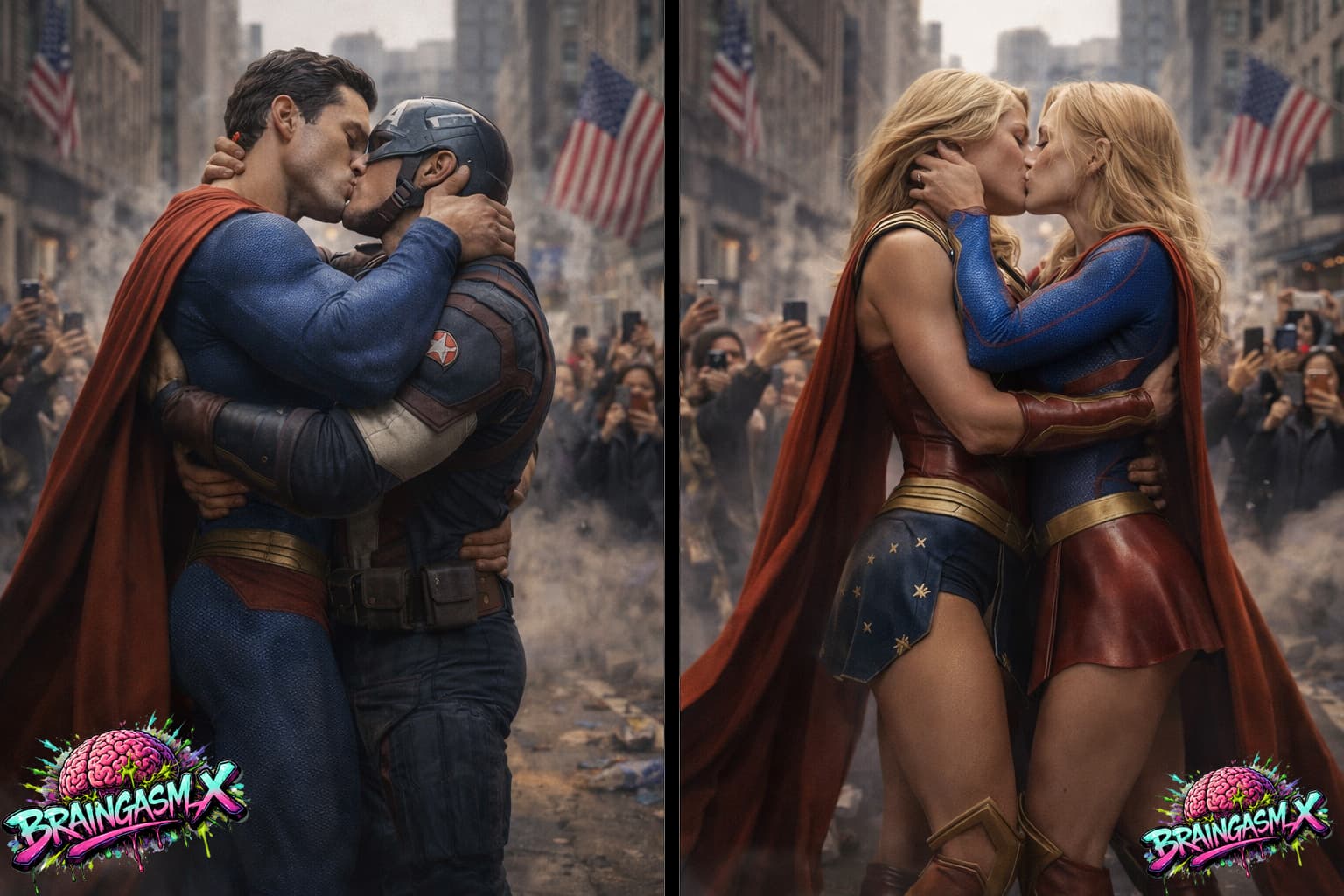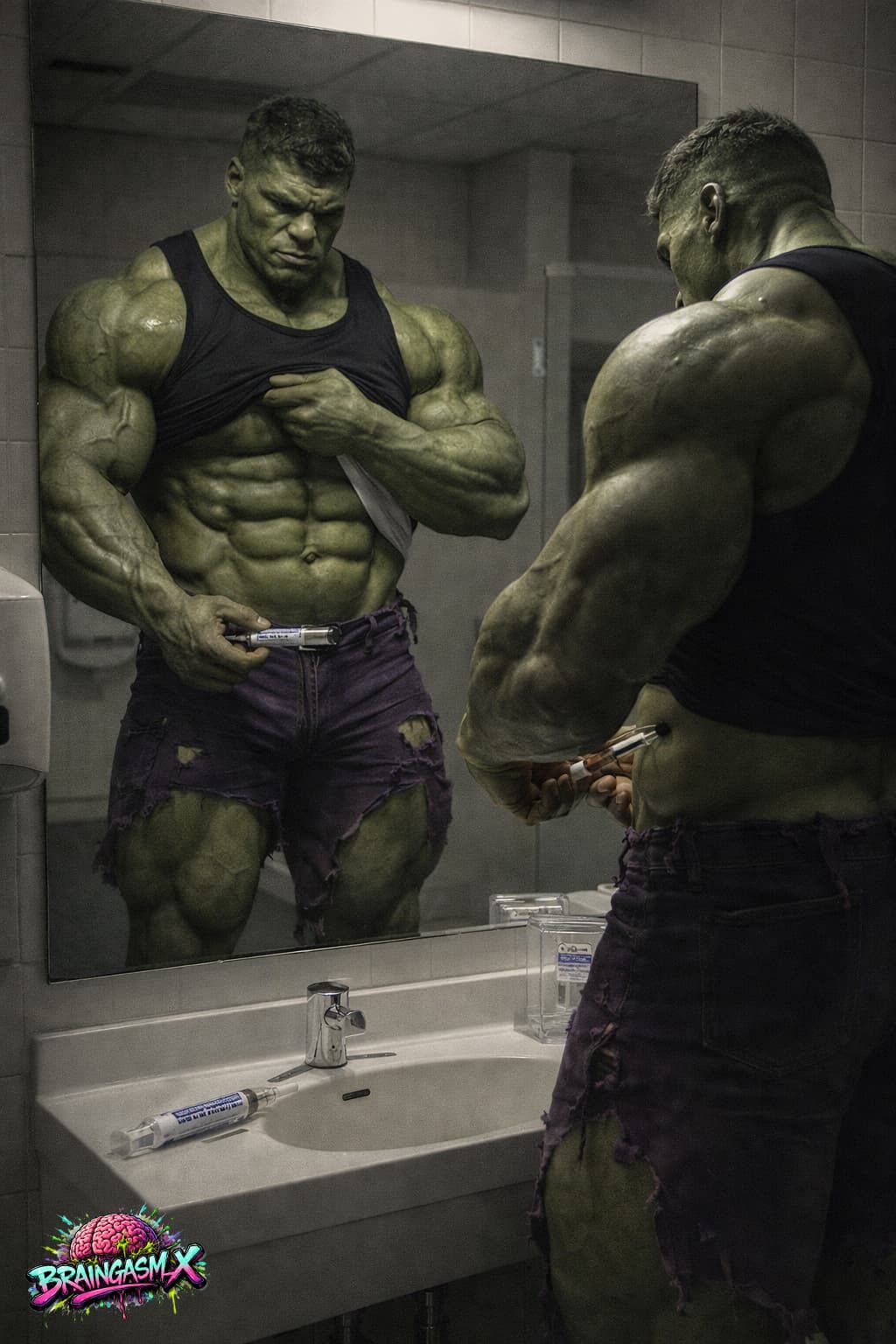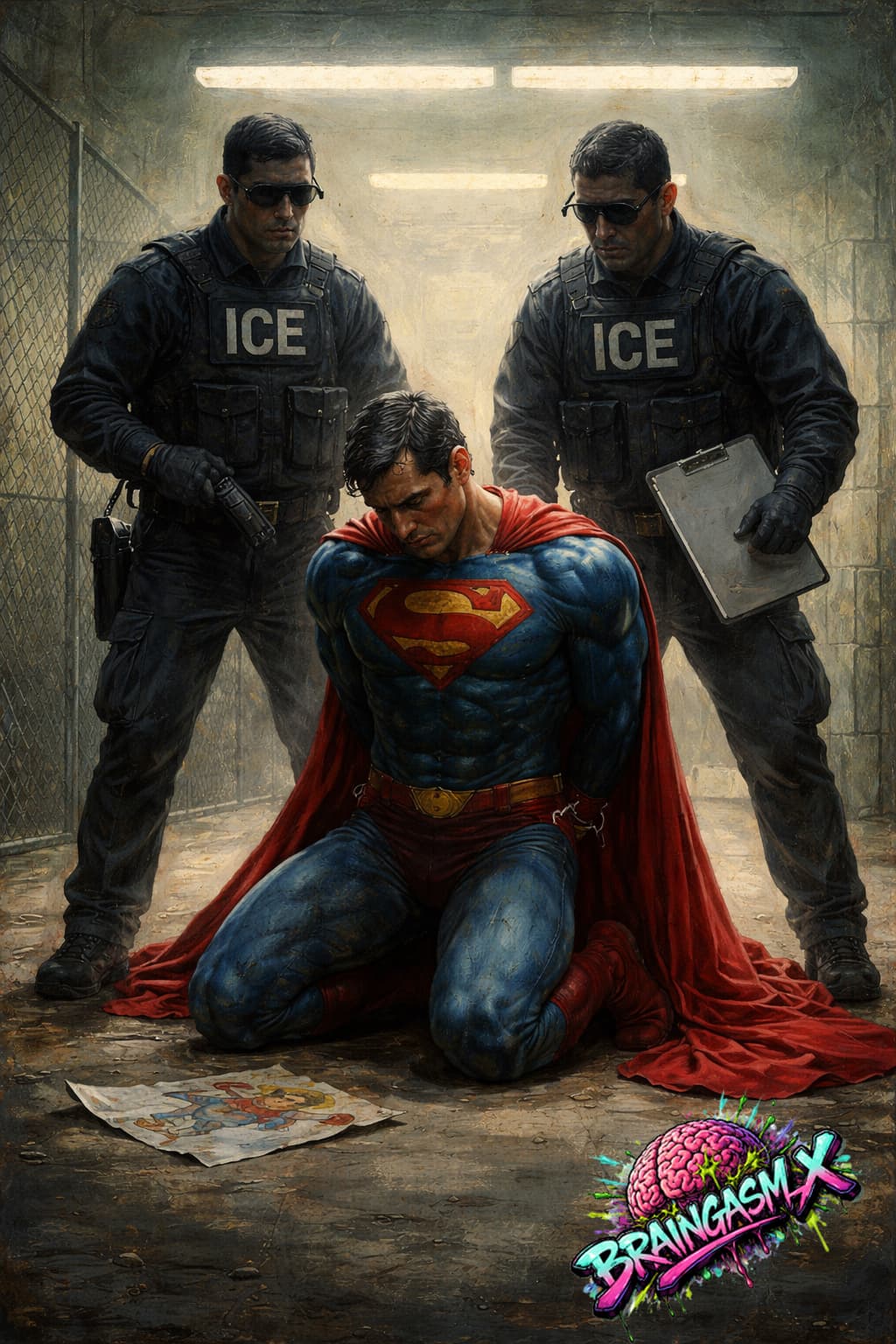
In the simplest terms, merely bringing to class this image of Superman, on his knees and in the custody of Ice Agents, while putting forth the proposition that DC Comics is trying to stop this can turn a boring class of reading cases into engaged reading toward a legal truth.
That's the whole pedagogical thesis of simulation learning in one sentence.
Casebook pedagogy moves: Case → Issue → Rule → Application → Conclusion. Students read because they're told to read. They encounter a rule because the casebook structures that encounter. They apply the rule because if there's a question at the end of the chapter. The motion is downhill — cases are the input, the rule is the output, and engagement is whatever the student manages to muster on top.
The “Spark Pedagogy” of Simulation Learning reverses that methodology. Image first. Question first. Stakes first.
Suddenly, the student isn't reading cases as homework — they're reading with curiosity toward something interesting. The cases stop being the curriculum and become the tools the student needs to answer the question they're already invested in. That's a structural change to attention, not just a presentation change.
This sample image from the RockStar Law Projects file of Superman on his knees in the custody of ICE Agents works double duty. It carries the legal question (is this fair use?) and the moral question (should this be allowed?) into the room simultaneously. Those two questions are different. The gap between them is exactly where § 107 and the First Amendment actually live in practice. A student who hasn't seen that gap thinks fair use analysis is a four-factor checklist. A student who has seen it understands why Justice Sotomayor and Justice Kagan disagreed in Warhol, and why every fair-use case is really an argument about that gap.
The image makes the gap visible - tangible. Suddenly the cases make more sense.
In a world where an anonymous street artist named Braingasm-X paints massive oil canvases, each one a recognizable superhero dragged into a contemporary battle which they were never written to fight - image after image of iconic characters made into political commentary, …YOU defend Braingasm-X, You defend the 1st Amendment… You defend the property rights of Marvel.
Will copyright law get to decide what counts as protest?
Boring reading becomes engaged reading the moment the reading is for something to care about.
This is why a simple painting of Superman is a better opening in class than a hypothetical about a generic copyrighted character from 60 years ago. The hypothetical is sterile. This painting has weight. And once the painting has weight, the cases have purpose. Students with a purpose are engaged students…the type of students that equate to first time bar passes, and the job market demands…RockStars.